Repair & Masonry
How to Choose a Chimney Company Without Getting Pressured Into Unnecessary Repairs
Learn how to evaluate a chimney company, ask better inspection questions, compare recommendations, and avoid pressure when making repair decisions.
Chimney work requires trust because much of the system is hidden. A homeowner may never see the top of the crown, the interior of the flue, or the flashing behind the brick.
That makes the way a company explains its findings almost as important as the findings themselves.
Look for a company that diagnoses before it sells
The first question should be “what is happening?” rather than “which package do you want?”
A technician should listen to the symptoms, inspect the relevant parts of the system, and explain what was found before recommending work.
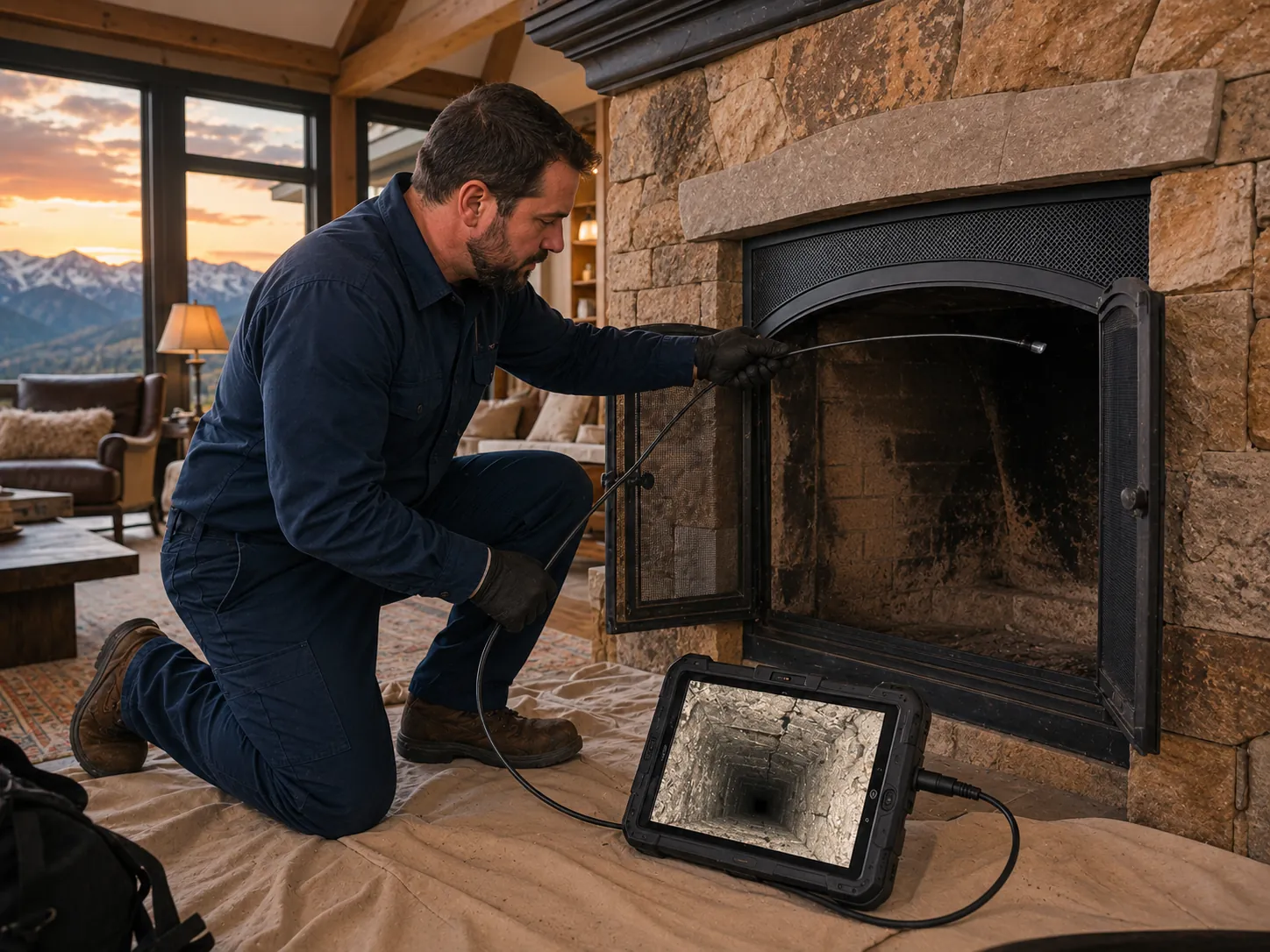
Ask to see what the technician sees
Photos and inspection video can be extremely helpful.
For example, if a new liner is recommended because of cracked tiles, ask to see the cracks. If a crown needs repair, ask for a photograph from above. If flashing is leaking, ask where the failure is located.
Documentation creates a shared understanding.
Pay attention to the explanation
A good explanation is specific:
“The crown has two open cracks on the west side and moisture staining below them.”
A weak explanation is vague:
“Your chimney is bad.”
Technical work can be described in normal language. You should not need to understand every code section to know why a repair is being proposed.
Ask what can wait and what cannot
Not every chimney defect has the same urgency.
A company should be able to distinguish among:
- - Conditions that make the fireplace unsafe to use
- - Water problems that should be repaired before more damage occurs
- - Maintenance items
- - Optional upgrades
This helps homeowners budget responsibly.
Be cautious with same-day pressure
Some repairs do need prompt attention, but that does not mean every estimate must be signed before the technician leaves.
For major projects, homeowners should have time to read the scope, ask questions, and obtain another opinion when appropriate.
Compare professionalism, not just star ratings
Online reviews can be useful, but look at the content rather than only the average score.
Do customers mention:
- - Clear explanations?
- - Clean work areas?
- - Arrival communication?
- - Honest repair options?
- - Resolution when something went wrong?
- - Work similar to the service you need?
A company that handles problems responsibly can be more informative than a profile with only short generic praise.
Verify claims that matter to you
If a company advertises certifications, licensing, insurance, warranties, or manufacturer status, ask for details when those claims are important to your decision.
Requirements vary by type of work and jurisdiction, so avoid assuming every chimney service is regulated the same way everywhere.
Ask how Colorado conditions affect the recommendation
Local experience matters when discussing:
- - Freeze-thaw masonry damage
- - High-elevation draft
- - Hail-damaged caps and vents
- - Snow and water intrusion
- - Denver-area winter burning restrictions
- - Local permit requirements for installations
The technician should be able to connect the local condition to your actual chimney rather than using “Colorado weather” as a generic sales phrase.
What fair pricing actually means
Fair does not always mean cheapest.
A fair proposal should reflect the scope, materials, access, labor, and responsibility involved. It should also be understandable.
If one estimate is dramatically different from the others, ask why before assuming it is a bargain or a rip-off.
Bottom line
Choose a chimney company that makes you more informed, not more afraid. Good service should leave you understanding what was found, what is recommended, what it costs, and what your options are.
Related Saturn services
Good to know
Frequently asked questions
For hidden or roof-level defects supporting repairs, photos or video can be very helpful and are reasonable to request.
Yes, especially for expensive or unexpected repair recommendations.
Not automatically. Compare scope, materials, documentation, access, and warranty as well as price.
Pressure to approve a major repair without clear evidence or explanation is a strong reason to slow down and ask more questions.
Keep reading