
Inspections
Level 1, Level 2, and Level 3 Chimney Inspections: What Is the Difference?
Understand the three chimney inspection levels, when a more detailed inspection may be appropriate, and what Colorado homeowners should expect.
Homeowners often hear “Level 1” or “Level 2” after calling a chimney company, but the terminology is rarely self-explanatory.
The levels describe the scope and access of the inspection. They are not grades. A Level 2 is not “better” than a Level 1 in every situation; it is more extensive because certain circumstances justify looking at more of the system.
Level 1: routine conditions
A Level 1 inspection is generally associated with a system that is being used under the same conditions as before and has no known change or significant problem that requires a broader evaluation.
The inspector evaluates readily accessible portions of the chimney, fireplace, venting system, and connected appliance as applicable.
For many routine annual checks, this may be the appropriate starting point.
Level 2: when conditions change or more information is needed
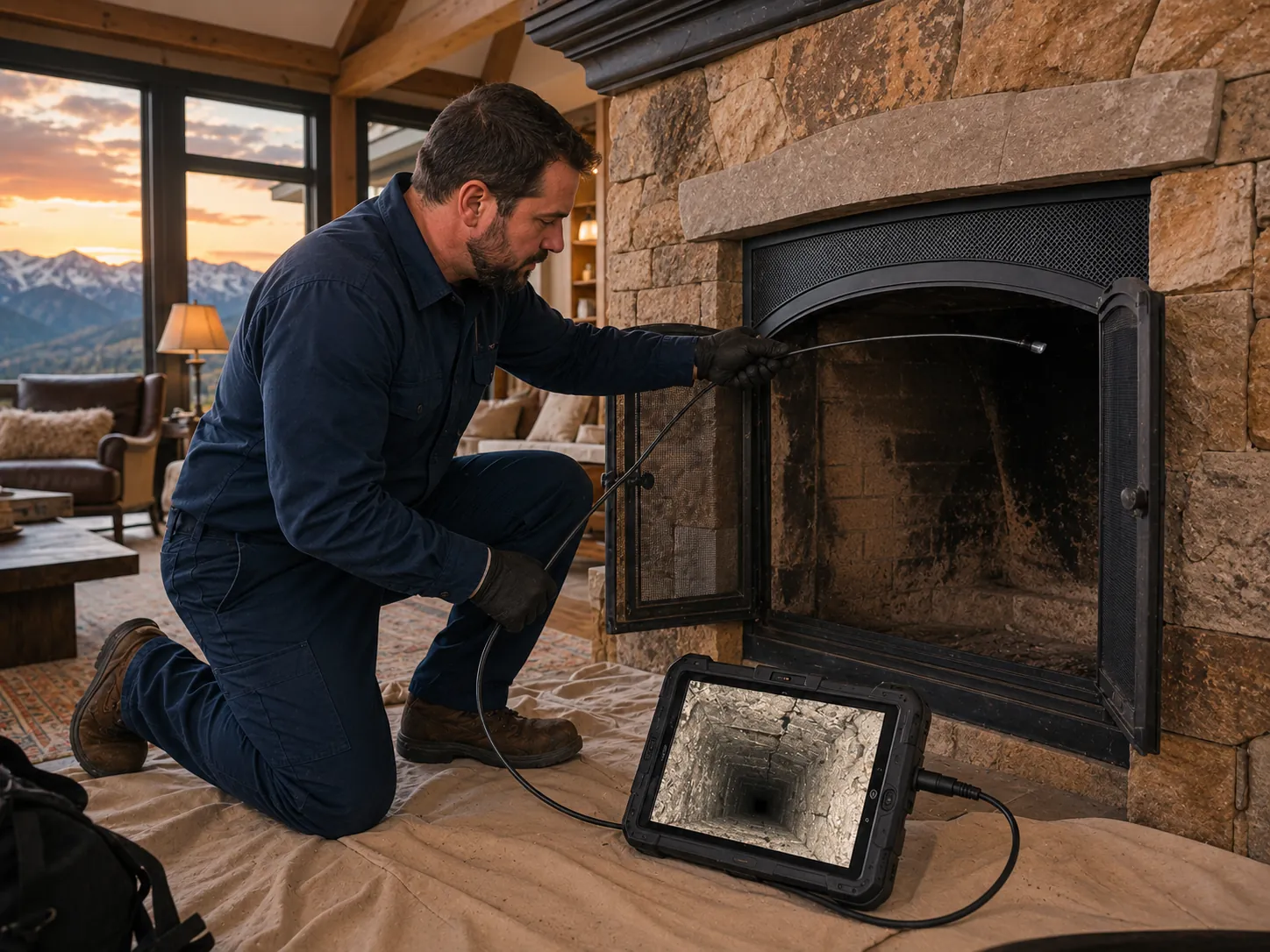
A Level 2 inspection expands the scope and can include accessible areas such as attics, crawl spaces, basements, and other portions of the system. Internal video examination of flue surfaces is commonly associated with this level.
NFPA 211 inspection guidance identifies circumstances such as property transfer, appliance changes, relining, operational problems, and incidents likely to have caused damage as reasons a Level 2 inspection may be indicated.
Examples for Colorado homeowners can include:
- - Buying or selling a home
- - Installing or replacing a fireplace insert or heating appliance
- - Suspected chimney fire
- - Significant hail, wind, or other damaging event when chimney damage is possible
- - Unexplained smoke spillage or draft problems
- - Preparing for relining
Level 3: concealed areas may need access
A Level 3 inspection is the most invasive. It can involve removing or opening components when necessary to evaluate a suspected hazard that cannot be assessed through Levels 1 or 2.
This is not routine annual service. It is used when there is a specific reason to believe a hidden area needs examination.
Because accessing concealed construction can damage finishes, the reason and scope should be discussed before proceeding.
Why video inspection matters
A camera can reveal conditions that are difficult to see from either end of a flue, including cracked tiles, open joints, offsets, deposits, and previous repairs.
But the camera is a tool, not the inspection itself. The technician still needs to interpret what the images mean for the specific fireplace or appliance.
Does every home sale require a Level 2 inspection?
NFPA 211 guidance includes sale or transfer of property among Level 2 circumstances. In practice, homeowners should discuss the appropriate scope with the inspecting professional and understand what local transactions, lenders, insurers, or contracts require.
What should be included in the report?
A useful inspection report should identify:
- - System type
- - Areas inspected
- - Limitations or inaccessible areas
- - Defects found
- - Photos or video when relevant
- - Recommendations
- - Whether the system should remain out of service until repairs are made, when applicable
Bottom line
Inspection levels exist because not every chimney question can be answered with the same amount of access. Routine use may call for a Level 1 scope, while property transfer, appliance changes, suspected damage, or operational problems can justify a Level 2. Level 3 is reserved for situations where concealed areas need to be opened to resolve a serious concern.
Related Saturn services
Good to know
Frequently asked questions
No. Inspection evaluates condition; sweeping removes deposits. They may be performed during the same visit when appropriate but are different services.
Internal video scanning is commonly part of Level 2 evaluation of flue surfaces.
No. It is generally reserved for specific suspected hazards that cannot be evaluated without accessing concealed areas.
Property transfer is a common circumstance for a Level 2 inspection under NFPA 211 guidance. Discuss the scope with the inspecting professional.