Inspections
What Chimney Problems Can a General Home Inspection Miss?
A standard home inspection may not fully evaluate the flue interior, liner, hidden venting, or roof-level chimney details. Learn what buyers should know.
General home inspectors perform an important job: they evaluate many systems across an entire property in a limited amount of time. A chimney specialist focuses much more deeply on one system.
That difference in scope explains why a home inspection and chimney inspection can produce different findings without either professional necessarily doing something wrong.
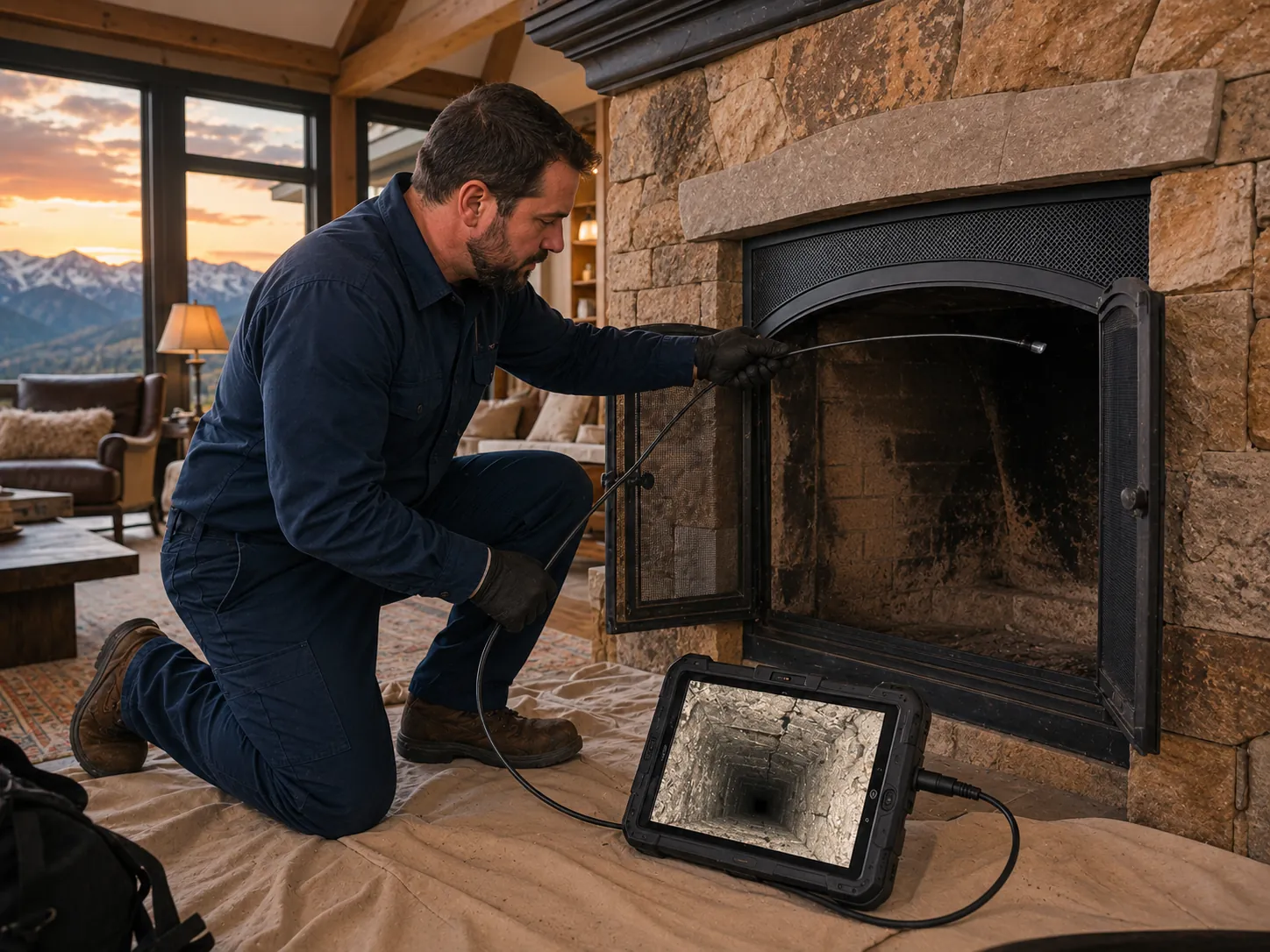
The flue interior
One of the biggest limitations is visibility.
Looking up from the firebox or down from the chimney top does not always reveal the entire flue. Offsets, long runs, and deposits can block the view.
Internal video inspection can reveal cracked tiles, open joints, missing mortar, damage after a chimney fire, or previous repairs hidden between the ends.
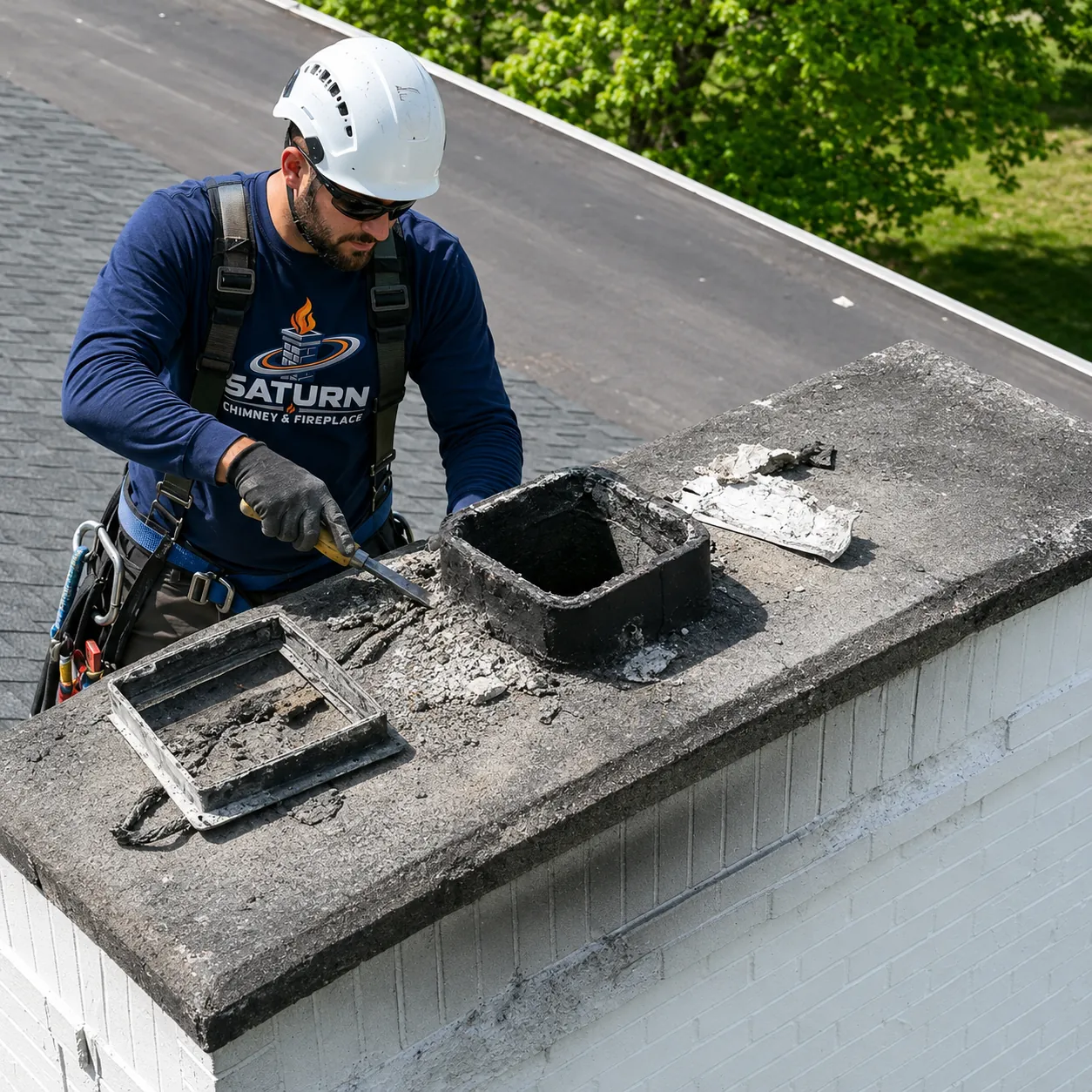
Roof-level details
A home inspector may not walk every roof, especially when it is steep, wet, icy, high, or unsafe.
That can limit evaluation of:
- - Crown condition
- - Cap attachment
- - Chase cover corrosion
- - Upper brick and mortar
- - Counterflashing
- - Storm damage
Appliance-to-chimney compatibility
A home may contain a fireplace insert, stove, gas appliance, or older heating system that was added years after the chimney was built.
Determining whether the flue is properly sized and configured for the connected appliance can require specialized knowledge and documentation.
Hidden water damage
A ceiling stain can be obvious. Chronic moisture inside a masonry chimney may be less visible.
Efflorescence, rust, damaged mortar, liner deterioration, and hidden attic staining can require closer evaluation.
Evidence of past chimney fire
Some chimney fires are dramatic. Others are discovered later because of glazed creosote, cracked flue tiles, or heat-related damage.
A previous owner may not know that one occurred.
Factory-built fireplace components
Factory-built systems depend on listed components, clearances, vent sections, terminations, and chase construction. Missing or modified components may require specialized evaluation.
What a home inspector may appropriately flag
A general inspector can still identify valuable warning signs and recommend further evaluation. Common flags include:
- - Visible damaged masonry
- - Missing cap
- - Water staining
- - Damper problems
- - Heavy soot
- - Cracks in the firebox
- - Questionable clearances
- - Evidence of modifications
The next step is then a chimney-specific inspection.
Why this matters in Colorado transactions
Colorado homes can have older masonry fireplaces, modern inserts, gas conversions, wood stoves, and mountain-influenced venting conditions. Hail and freeze-thaw damage may also affect roof-level components.
If the fireplace is a meaningful feature of the home, a dedicated inspection before closing can reduce uncertainty.
Bottom line
A general home inspection is broad; a chimney inspection is specialized. Buyers should not assume one replaces the other when the fireplace and chimney are important to the property.
Related Saturn services
Good to know
Frequently asked questions
Not necessarily. The inspections have different scopes and tools.
It can be worthwhile when the system history is unknown, the fireplace is regularly used, or the transaction is important enough to justify a more detailed evaluation.
No. It greatly improves flue visibility but cannot see through masonry or inaccessible building components.
Requirements vary by transaction. Buyers should discuss inspection rights and deadlines with their real-estate professionals.