Safety
What Should You Do After a Chimney Fire?
Stop using the fireplace after a chimney fire and have the system evaluated before reuse. Learn what damage can occur and what Colorado homeowners should document.
A chimney fire is not simply an unusually hot fire in the fireplace. It is combustion occurring in deposits or material inside the chimney system itself.
If you know or suspect that a chimney fire occurred, stop using the fireplace until the system has been professionally evaluated.
During an active chimney fire
If you believe a chimney fire is occurring, get everyone to safety and call emergency services. Do not climb onto the roof or attempt a dangerous DIY response.
Signs can include loud roaring, popping, visible flames or sparks from the chimney, intense heat, or smoke where it should not be.
Some chimney fires, however, are less dramatic and may be discovered only afterward.
Why inspection is necessary after the fire
Extreme heat can damage:
- - Clay flue tiles
- - Mortar joints
- - Stainless or factory-built components
- - Chimney connectors
- - Masonry
- - Nearby combustible materials
CSIA advises against returning a chimney to service until it has been swept as appropriate and evaluated by a qualified chimney professional because damage may not be visible from above or below.
The liner may need detailed examination
A more extensive inspection, often including internal video, can help identify:
- - New cracks
- - Open joints
- - Distorted metal
- - Areas of glazed creosote
- - Structural damage
- - Heat effects at connections
The purpose is not just to clean the deposits. It is to determine whether the venting system remains serviceable.
Document the condition before repairs
If insurance may be involved, documentation can be important.
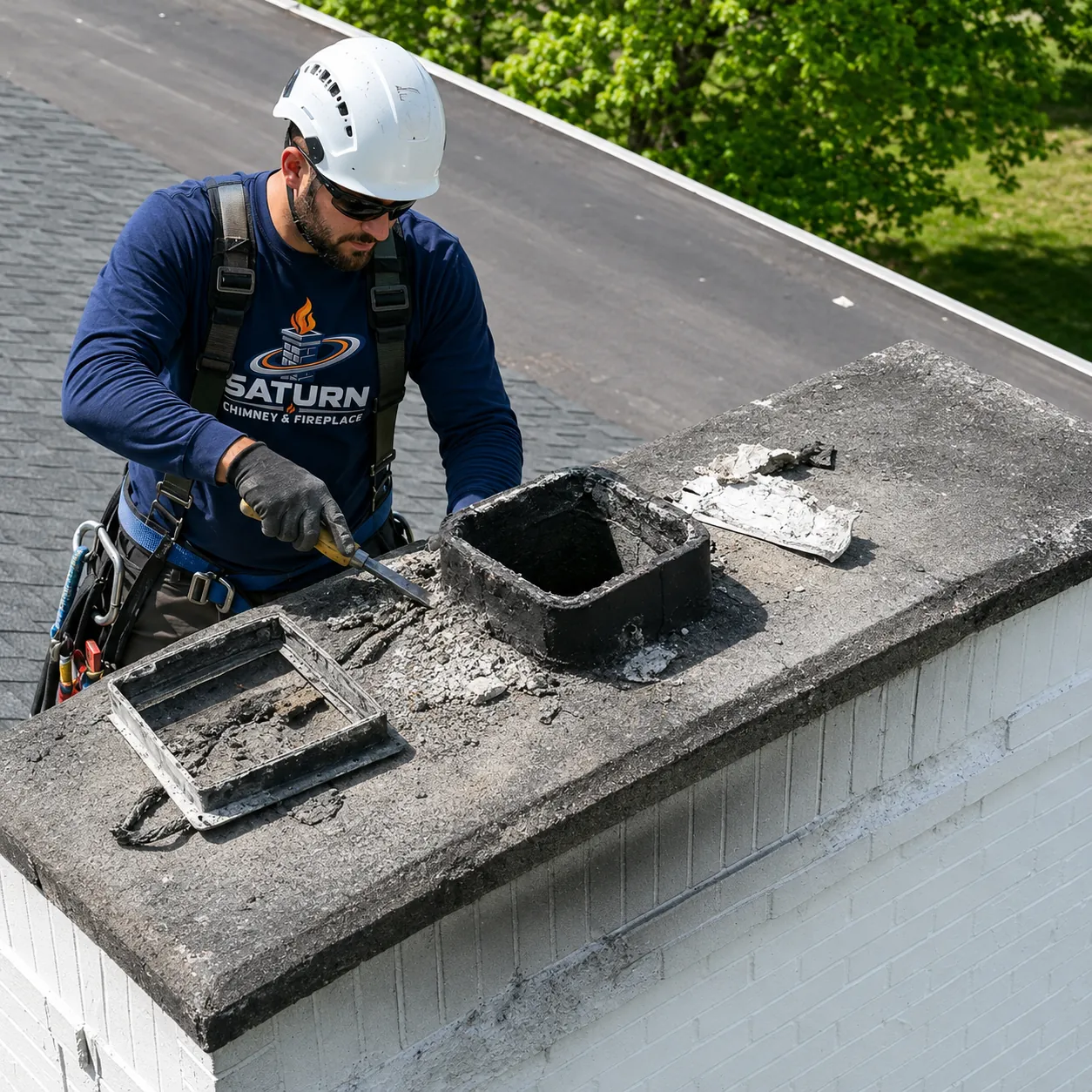
CSIA recommends photographing damaged sections and creosote conditions before sweeping or repair when possible so the homeowner can provide evidence to the insurer.
Keep:
- - Fire department report
- - Inspection report
- - Photos and video
- - Repair estimates
- - Invoices
- - Product documentation
Insurance coverage varies, so contact your carrier for claim-specific guidance.
What causes chimney fires?
Creosote buildup is a common fuel source in wood-burning chimneys. Poor burning practices can increase deposit formation.
Risk factors include:
- - Burning wet wood
- - Long, smoldering fires
- - Infrequent inspection
- - Heavy or glazed creosote
- - Poor draft
- - Improper operation of the appliance
EPA guidance encourages dry, seasoned wood, adequate airflow, and annual inspection and maintenance of wood-burning appliances and chimneys.
A local reminder from Colorado Springs
Colorado Springs Fire Department has publicly reported chimney-fire incidents and reminds residents to have chimneys inspected and cleaned by professionals annually as appropriate. That is a useful reminder across Colorado, where fireplaces may see sustained winter use.
Can the chimney be repaired after a fire?
Often, yes. The repair depends on what was damaged.
Possible work can include relining, replacing damaged factory-built components, masonry repair, cap replacement, or correction of clearance and connection problems.
The chimney should not simply be swept and returned to service without addressing fire damage when damage is present.
Bottom line
After a chimney fire, stop using the system, obtain a thorough evaluation, document the findings, and complete required repairs before lighting another fire. The absence of visible damage from the living room does not prove the flue is safe.
Related Saturn services
Good to know
Frequently asked questions
It is advisable not to use it until the chimney has been evaluated and any necessary cleaning or repair is complete.
No, but any chimney fire can expose the system to damaging temperatures, so inspection is important.
Coverage varies by policy and circumstances. Contact your insurer and provide documentation.
Not if the fire caused damage. Cleaning can expose surfaces for inspection, but damaged components still need repair.