Safety
Can a Dirty Chimney Cause Carbon Monoxide Problems?
A blocked or poorly venting chimney can contribute to combustion gases entering a home. Learn how deposits, debris, draft, and appliances affect venting.
Carbon monoxide is colorless and odorless, so a smoky fireplace is not the only sign of a venting problem.
A dirty chimney can contribute to unsafe conditions when deposits, debris, or blockage restrict the pathway combustion gases need to escape. But “dirty chimney” is only one possible cause of carbon-monoxide concerns.
How a chimney is supposed to vent
A chimney uses draft to carry hot combustion gases from a fireplace or appliance to the outdoors.
That pathway has to remain open and appropriately sized. The appliance also needs adequate combustion air and proper connection to the venting system.
When one of those conditions changes, gases may spill or backdraft into the home.
Ways a chimney can become restricted
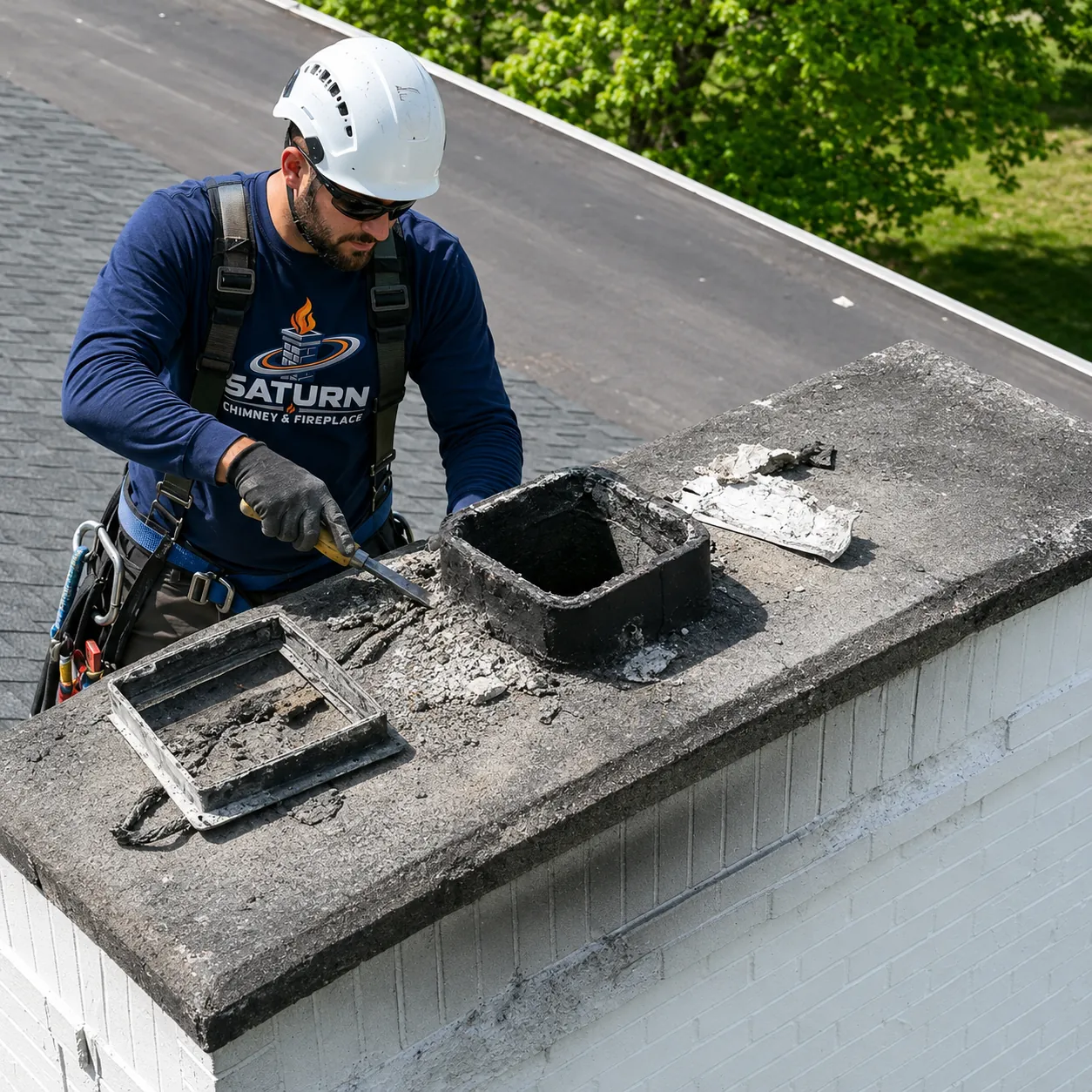
- - Heavy soot or creosote
- - Animal nests
- - Leaves or debris
- - Broken flue material
- - Collapsed masonry
- - Damaged caps or vent terminations
- - Ice or unusual weather-related obstruction in certain systems
The amount of restriction needed to cause a problem depends on the appliance and the rest of the venting system.
Can a chimney look open and still have a problem?
Yes.
A flue can appear clear from the fireplace opening while a blockage exists higher up. It can also be structurally open but draft poorly because of pressure, sizing, temperature, or appliance problems.
That is why diagnosis should not stop with shining a flashlight upward.
Gas appliances are part of the conversation too
Gas fireplaces, furnaces, boilers, and water heaters may vent through chimneys or dedicated vent systems depending on the installation.
A gas system does not create wood creosote, but it can still have vent obstructions, corrosion, disconnected venting, improper draft, or combustion problems.
Carbon monoxide alarms are essential but not a maintenance plan
EPA and fire-safety guidance recommends carbon monoxide alarms in homes with fuel-burning appliances. Alarms provide an important warning, but they do not replace inspection and maintenance.
If an alarm sounds, follow the alarm manufacturer's and emergency-safety guidance. Do not simply reset it and continue using the appliance.
Symptoms should not be used as a detector
Carbon monoxide exposure can cause headache, dizziness, nausea, confusion, weakness, or worse, but symptoms can be mistaken for many other conditions.
Never rely on how you feel to decide whether a venting system is safe.
What inspection can identify
A chimney or venting evaluation may check:
- - Deposits and blockage
- - Flue condition
- - Appliance connection
- - Draft behavior
- - Visible signs of combustion spillage
- - Cap or termination condition
- - Other accessible vent components
Additional appliance testing may be appropriate depending on the system and concern.
Bottom line
A dirty or blocked chimney can contribute to combustion-gas problems, but carbon monoxide concerns require looking at the entire venting and appliance system. Keep chimneys clear, maintain fuel-burning equipment, and use functioning carbon monoxide alarms as an additional layer of protection.
Related Saturn services
Good to know
Frequently asked questions
Heavy deposits can significantly restrict a flue, especially when combined with other debris or damage.
A nest can obstruct venting and should be removed appropriately before the system is used.
No. Carbon monoxide itself is odorless.
Treat a carbon monoxide alarm seriously and follow emergency guidance. The involved fuel-burning appliances and venting systems should be evaluated before continued use.