Colorado Climate
Can Colorado Hail Damage Your Chimney or Fireplace Vent?
Colorado hail can damage more than shingles. Learn what to check on chimney caps, vent terminations, flashing and masonry after a severe storm.
After a Colorado hailstorm, the first call is often to a roofer. That makes sense: shingles, gutters, skylights and siding are obvious targets. But anything projecting above the roof can also take a direct hit, including chimney caps and combustion vent terminations.
The Colorado Roofing Association has specifically warned homeowners that large hail can flatten or dislodge certain vent-cap lids and potentially interfere with safe exhaust venting.
That makes chimney and vent components worth checking whenever a storm is strong enough to damage the roof.
What parts can hail affect?
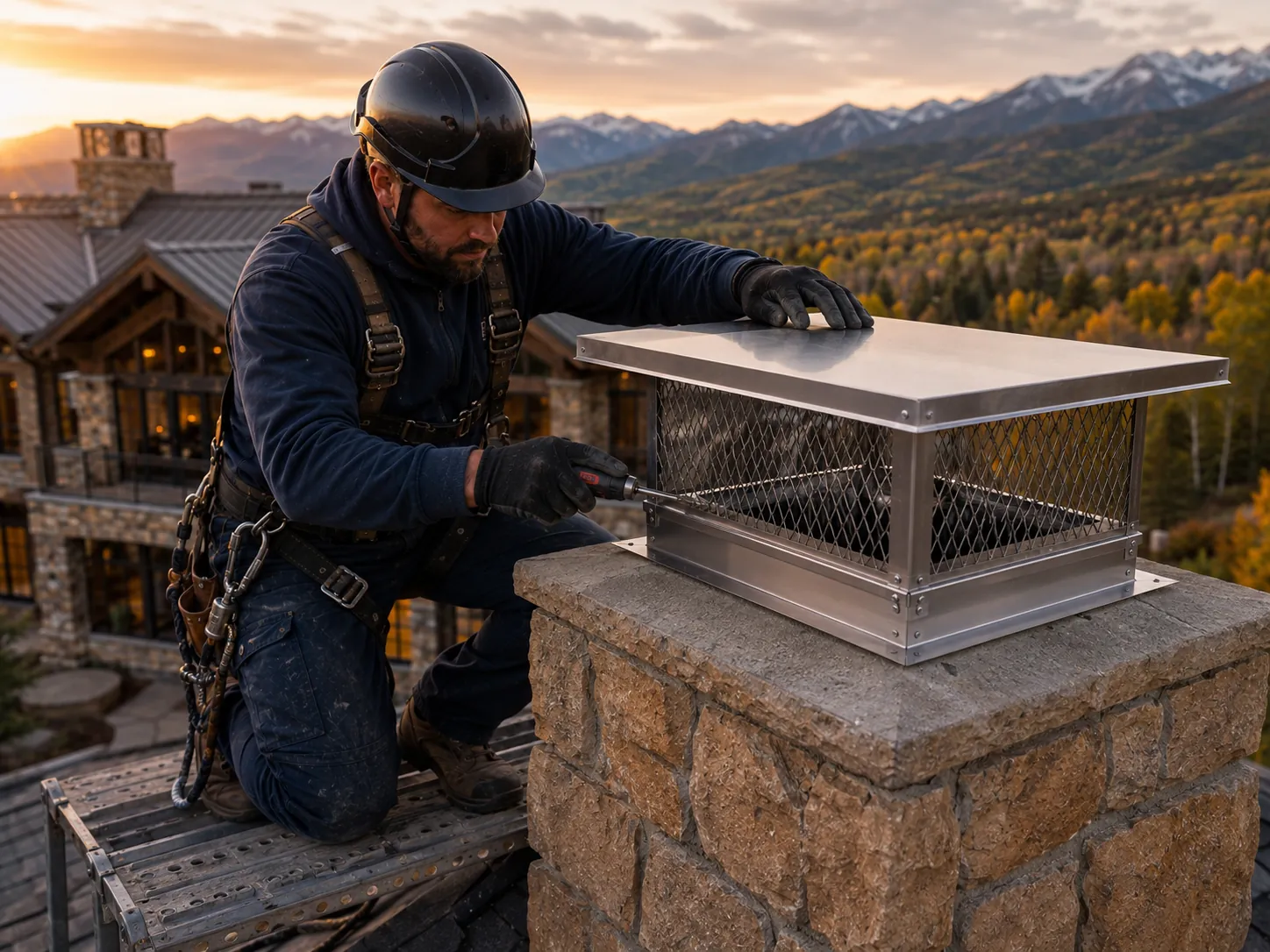
Chimney caps
A metal cap can be dented, loosened or displaced. Screens can also deform. The effect depends on the design and severity of the impact.
Type B and other gas vent terminations
Gas appliance vents often terminate above the roof. Damage that restricts the outlet can interfere with normal venting, which is why damaged combustion vents should be taken seriously.
Chase covers
Factory-built chimneys often pass through a framed chase with a metal chase cover at the top. Hail can dent metal and may worsen existing corrosion or drainage problems.
Flashing and roof interfaces
Even when the chimney masonry survives, surrounding roofing and flashing may be damaged. Water can then show up around the chimney after the next rain or snowmelt.
Masonry and crown surfaces
Large hail can chip exposed surfaces, though not every visible mark is structurally significant. The inspection should distinguish cosmetic impact from functional damage.
The most important risk is not always visible from the yard
A vent cap may look slightly dented from the ground but be significantly restricted at the outlet. Roof work performed after hail can also disturb vent components.
The Colorado Roofing Association cautions that vent piping can sometimes be loosened or disconnected when roofers work around roof-level vent stacks. That means post-roofing checks can matter just as much as storm checks.
Signs to watch for after hail
Call for evaluation if you notice a missing or tilted cap, unusual fireplace or furnace behavior, new soot, new water staining, rattling metal at the roofline, pieces of chimney material on the ground or a vent termination that visibly changed shape.
For gas-burning systems, treat unusual exhaust behavior, soot or combustion odors as a reason to stop using the appliance until it is evaluated.
Should every hailstorm trigger a chimney inspection?
Not every pea-sized hail event requires a special chimney visit. Use common sense and storm severity.
If neighboring roofs are being replaced, your own roof shows impact damage, the storm produced large hail, or a contractor is already inspecting the roof, include the chimney and vent components in the review.
If the home has a tall or difficult-to-see chimney, photographs from the roof inspection can be useful.
Insurance documentation
If hail damage is suspected, document before repairs when it is safe to do so. Photos of the cap, chase cover, masonry and surrounding roof can help establish what was present after the event.
Do not authorize an expensive chimney rebuild simply because a storm occurred. Hail damage is component-specific. A damaged cap may need a cap. Failed flashing may need flashing. A cracked crown may need crown repair. The recommendation should match the documented defect.
What if the roof is being replaced?
Tell the roofing contractor about fireplaces, furnaces, water heaters and other vented appliances. After work is complete, make sure roof-level vent components remain secure and unobstructed.
If vent piping was moved, disconnected or altered, the appropriate qualified trade should confirm safe operation before the appliance is used.
Bottom line
Colorado hail can affect chimney caps, gas vent terminations, chase covers, flashing and roof-level components. After a severe storm, especially one that damages the roof, include chimney and combustion vents in the inspection rather than looking only at shingles.
Saturn Chimney & Fireplace provides post-storm chimney and fireplace inspections throughout Denver, Colorado Springs, Fort Collins and surrounding Colorado communities.
Related Saturn services
Good to know
Frequently asked questions
Yes. Metal caps and screens can be dented, loosened or displaced depending on hail size and impact.
A restricted or displaced termination can interfere with the appliance's exhaust path.
Yes. Roof work around vent stacks and chimneys is a good time to confirm caps, flashing and vent connections remain correct.
No. The repair should match the specific component that was damaged.