Caps & Crowns
Does My Chimney Need a Cap in Colorado?
Learn what chimney caps do in Colorado, including rain, snow, debris and wildlife protection, plus when a damaged or missing cap should be replaced.
A chimney cap is a relatively small component with several jobs. In Colorado, where chimneys face snow, rain, hail, wind and wildlife, a missing or damaged cap can create problems that are much larger than the part itself.
That does not mean every chimney uses the same style of cap. The correct termination depends on whether the system is masonry, factory-built, gas vent, wood-burning or another listed venting system.
What does a chimney cap do?
Helps keep precipitation out
A cap reduces direct rain and snow entry into the flue. Keeping unnecessary water out matters because moisture can contribute to corrosion, odors, damaged fireboxes and masonry deterioration.
Helps block animals and nesting material
Colorado Parks and Wildlife advises homeowners to screen fireplace chimneys and other openings and specifically mentions birds, bats, squirrels and raccoons as possible “drop-in” visitors.
A cap with appropriate screening can help reduce access while still allowing the system to vent correctly.
Helps keep debris out
Leaves, twigs and other windblown debris can enter an open chimney. In some cases, material can collect on smoke shelves or restrict venting.
Protects the flue opening
The flue termination is exposed to Colorado's roof-level weather. A properly installed cap provides a first layer of protection without blocking the exhaust path.
What a chimney cap does not do
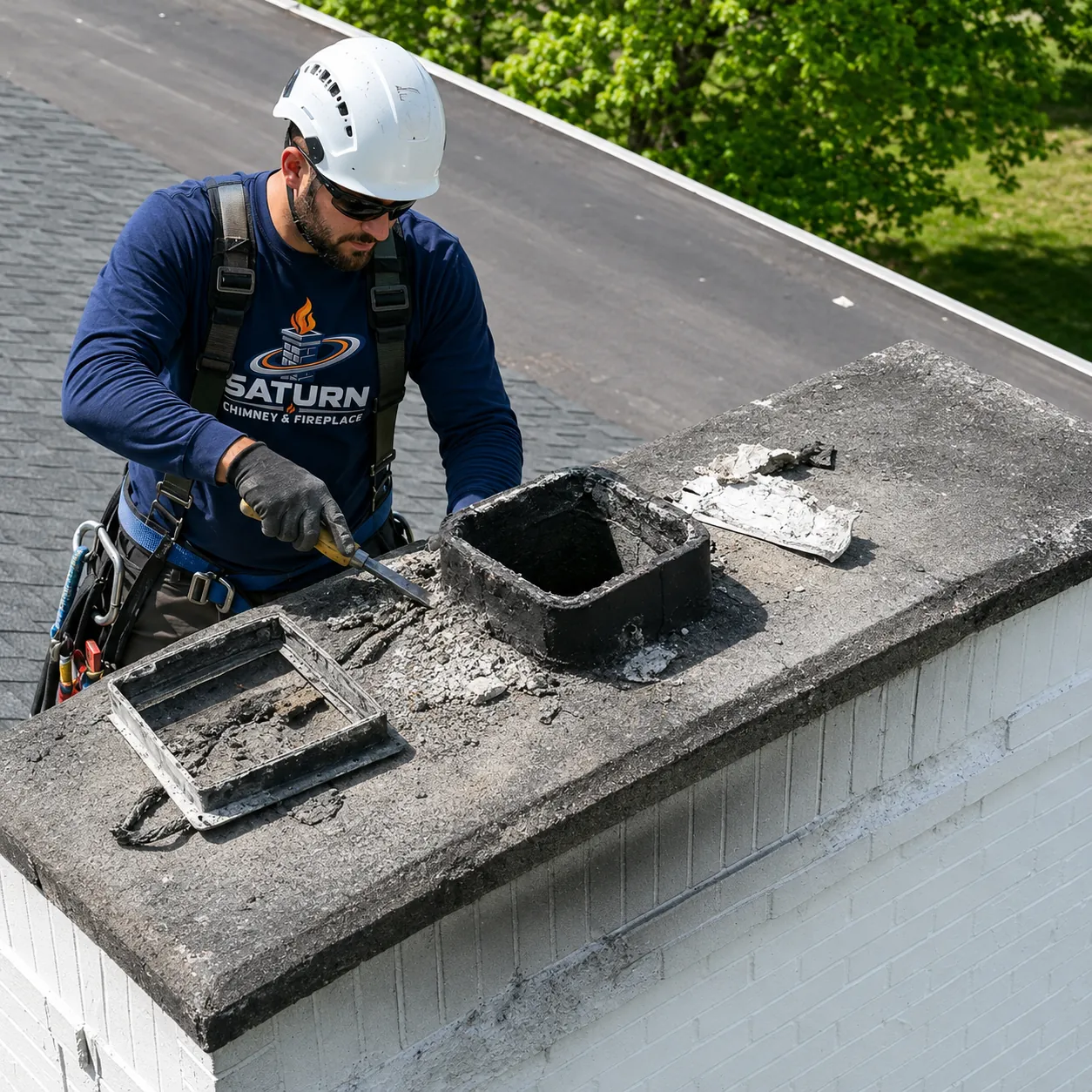
A cap does not fix failed flashing, deteriorated mortar, a cracked liner or a structurally damaged chimney.
It also does not automatically solve every wind-related draft problem. Specialized caps exist for certain situations, but choosing one without understanding the appliance and chimney can create restriction or incompatibility.
What about spark arrestor screening?
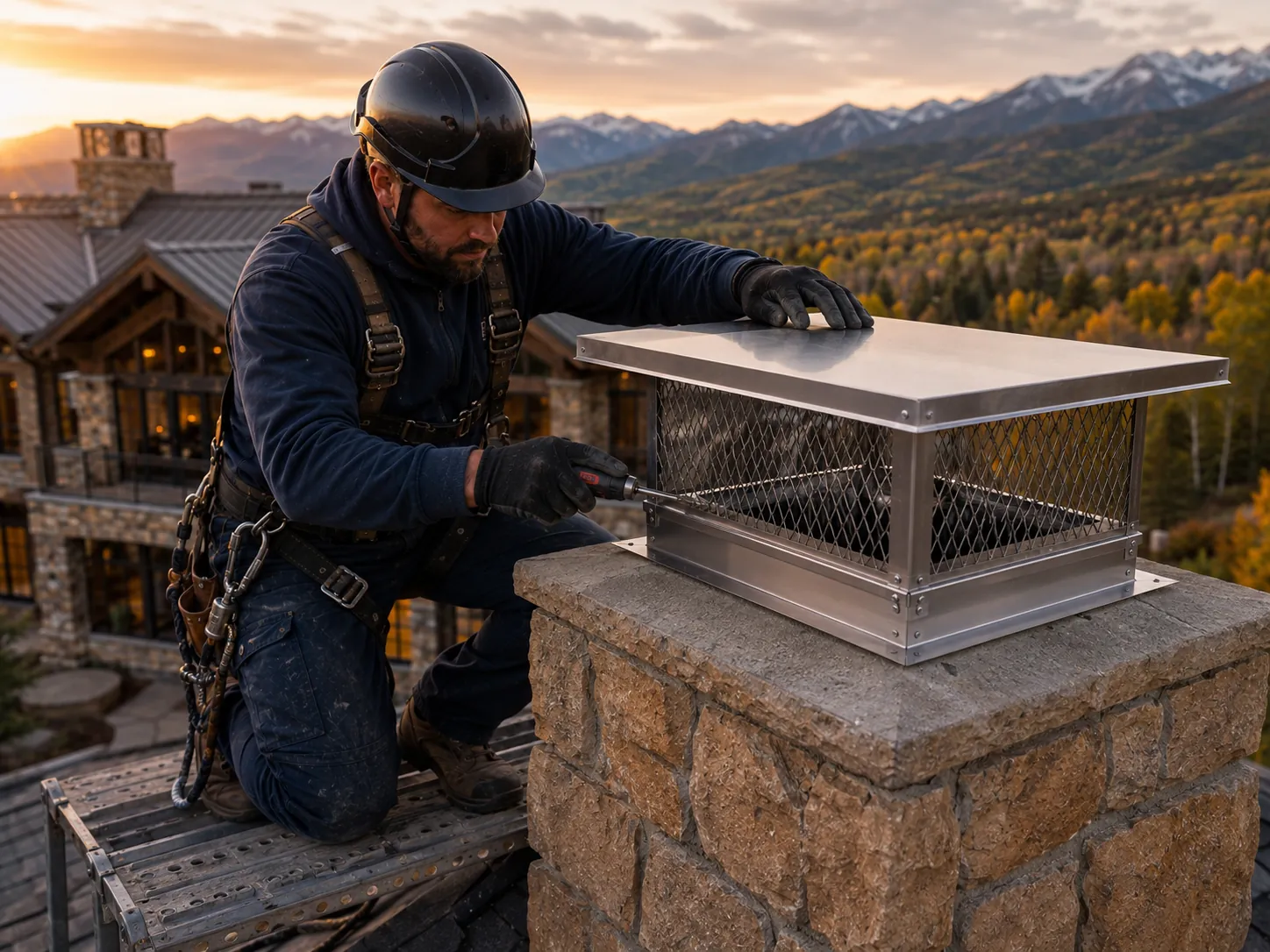
Many chimney caps include mesh screening. Screening can reduce animal entry and contain larger embers, but screen size, construction and use must be compatible with the venting system and local requirements.
Screens also need maintenance. Soot, creosote, ice or debris can reduce open area if allowed to accumulate.
Colorado wildlife is a real reason to pay attention
If you hear scratching, chirping or fluttering inside the chimney, do not light a fire to scare the animal out.
Colorado Parks and Wildlife recommends screening chimney tops and keeping fireplace dampers closed when fireplaces are not in use. Wildlife rules can vary by species and nesting season, so removal should be handled carefully.
Hail can damage caps
Colorado hail adds another maintenance issue. The Colorado Roofing Association has warned that large hail can flatten or dislodge certain vent caps.
After a severe storm, especially when the roof shows damage, confirm that chimney and gas vent terminations are still secure and open.
How do I know my cap needs replacement?
Common signs include visible rust-through, missing screen sections, a cap leaning after wind, impact dents that restrict the outlet, loose attachment, missing sections or a cap that has disappeared entirely.
Water entering the flue or repeated animal intrusion can also point to a cap problem, though other sources should be checked too.
Stainless steel, galvanized or copper?
Material choice affects cost, appearance and corrosion resistance. Stainless steel is common because of durability. Copper is often selected for appearance and long service life. Galvanized products can be lower cost but may not provide the same corrosion resistance in every application.
The best choice also depends on the chimney style and number of flues.
Can I install a cap myself?
The cap itself may appear simple, but roof access, chimney height and venting compatibility matter. A cap installed incorrectly can come loose or interfere with draft.
If the chimney is tall, steep-roofed, damaged or serving a listed gas or factory-built system, professional installation is the safer route.
Bottom line
For many Colorado chimneys, a properly selected and installed cap is a valuable protection against precipitation, debris and wildlife. The key is using a cap compatible with the exact venting system and keeping it clear and secure.
Saturn Chimney & Fireplace installs and repairs chimney caps throughout Denver, Colorado Springs, Fort Collins and surrounding areas.
Related Saturn services
Good to know
Frequently asked questions
Some systems may technically vent without a conventional masonry cap, but an open flue can be exposed to precipitation, debris and animals. The correct termination depends on the system.
Damaged, missing or improperly screened caps can allow wildlife entry.
Yes. Large hail can dent, flatten or dislodge roof-level vent caps.
Only if the cap is the source. Flashing, crown and masonry should also be evaluated.