Cleaning
How Do I Know If My Chimney Needs Cleaning? 10 Warning Signs
Watch for these 10 signs your chimney may need cleaning, from visible buildup and odors to smoke problems, falling debris and a history of wet wood.
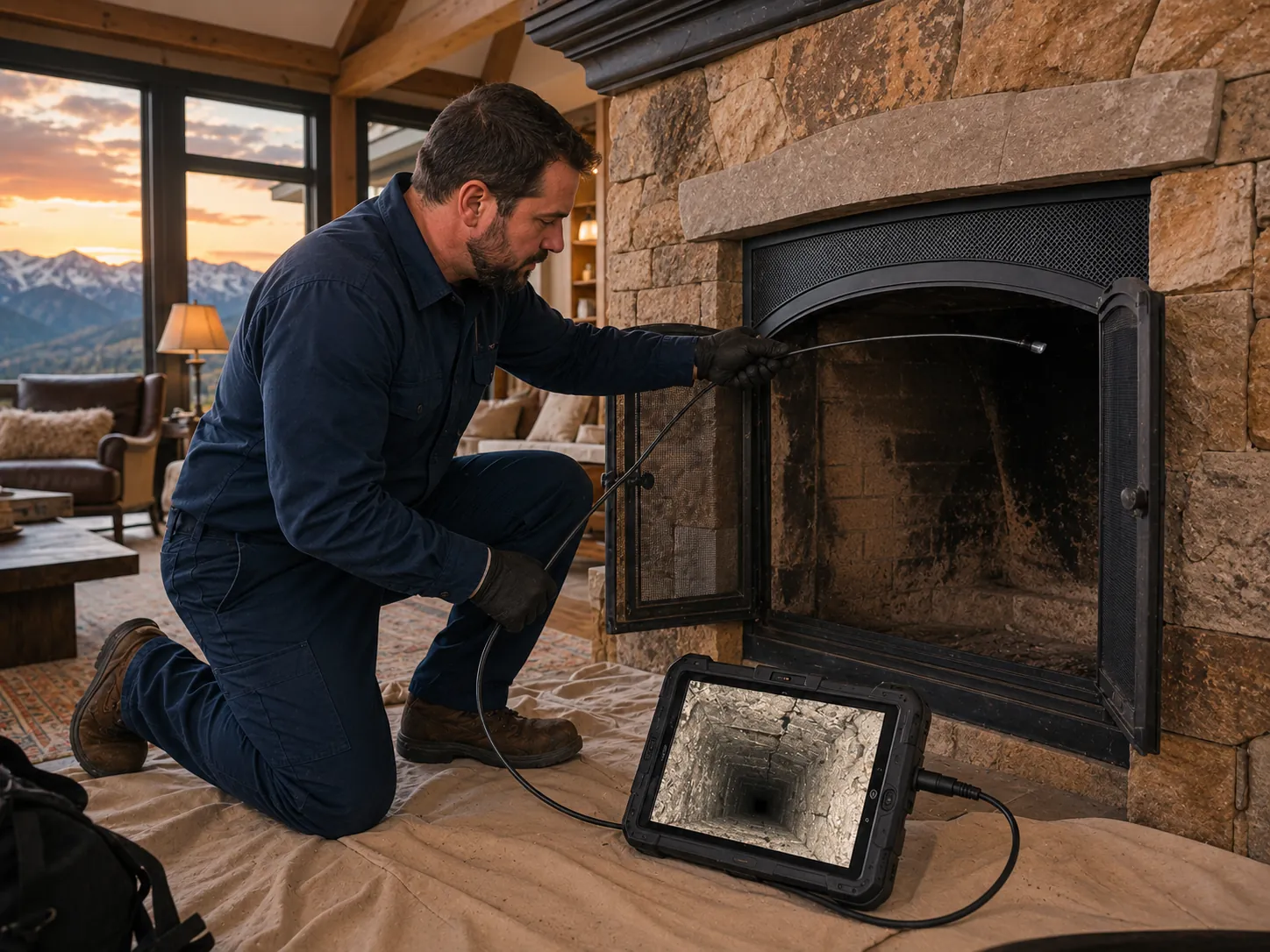
Most homeowners cannot see the full length of their chimney flue. That makes it difficult to decide whether cleaning is needed just by looking into the fireplace.
The best answer comes from inspection, but certain warning signs should move chimney service higher on your list.
1. Visible soot or creosote near the damper
If you can see thick, flaky or shiny deposits in accessible areas, there may be more buildup farther up the flue.
CSIA recommends sweeping masonry fireplaces around 1/8 inch of sooty buildup and sooner when glaze is present.
2. Strong smoky or tar-like odor
Creosote can create a noticeable odor even when no fire is burning. The smell may be stronger during warm weather or when air conditioning and house pressure draw air down the chimney.
Cleaning can reduce the deposit source, though pressure problems may also need attention.
3. Smoke spills into the room
A dirty or restricted chimney can contribute to poor draft. But smoke entry can also come from a cold flue, negative house pressure, wind, sizing or obstruction.
If smoke is coming into the house, schedule an inspection rather than assuming cleaning alone will solve it.
4. Debris falls into the firebox
Flakes of soot, creosote, nesting material, mortar or tile fragments are all worth investigating.
The material itself may help identify the problem. Black flakes suggest a different issue than pieces of clay liner or brick.
5. You burned a lot of wood last winter
Heavy use increases the opportunity for deposit formation. If the fireplace or stove served as frequent supplemental heat, inspection should be part of your pre-season routine.
6. You often burn damp or unseasoned wood
Wet wood tends to burn smokier and less efficiently. If the wood hisses, feels unusually heavy or measures high on a moisture meter, the chimney may accumulate deposits faster.
7. Fires are routinely smoky and smoldering
A bright, properly operated fire generally burns cleaner than a fire that spends hours smoldering with restricted air.
If slow fires are your normal operating style, mention that during the chimney inspection.
8. You do not know when the chimney was last cleaned
This is common after buying a home.
Do not assume the previous owner maintained the system. A professional inspection can establish a baseline and determine whether cleaning is necessary before regular use.
9. There has been an animal nest or obstruction
Cleaning may be necessary after appropriate removal of nesting material or debris. Wildlife should be handled carefully and in accordance with applicable rules.
Colorado Parks and Wildlife recommends screening fireplace chimneys to reduce animal entry.
10. A technician documents buildup during the annual inspection
This is the most straightforward sign. Ask to see what was found. Photos or camera footage can make the recommendation easier to understand.
What is not a reliable sign?
The number of months since the last cleaning is not enough by itself.
One homeowner may need cleaning after a season of frequent burning. Another may have minimal deposits after occasional use. Annual inspection is a better decision point than an automatic calendar-based cleaning.
Do gas fireplaces need chimney cleaning?
Gas appliances do not create wood-burning creosote. However, their vents and fireplaces still need maintenance and inspection for obstruction, corrosion, soot, ignition and venting issues.
Do not schedule a “chimney sweep” for a gas fireplace without first understanding the exact system and service it requires.
When should you stop using the fireplace immediately?
Stop using the system if you suspect a chimney fire, have repeated smoke spillage, see significant liner or masonry pieces falling into the firebox, or have another condition that suggests unsafe venting.
When in doubt, inspection comes before the next fire.
Bottom line
Visible buildup, smoky odors, falling debris, heavy burning history and unknown service history are all good reasons to schedule a chimney inspection. The inspection should determine whether cleaning is needed and whether any other problem is present.
Saturn Chimney & Fireplace provides chimney cleaning and inspection services throughout Denver, Colorado Springs, Fort Collins and surrounding areas.
Related Saturn services
Good to know
Frequently asked questions
Not reliably. The full flue and smoke chamber are not visible from the firebox opening.
Creosote can cause odor, but house pressure and moisture can influence how strongly the smell enters the room.
Start with inspection. If deposits or debris warrant cleaning, have it completed before regular use.
Glazed creosote deserves professional evaluation and may require specialized removal methods.
Keep reading