Safety
What Should Colorado Homeowners Check Before the First Fireplace Fire of the Season?
Use this pre-winter fireplace checklist for Colorado homes: inspection, chimney cap, damper, alarms, dry firewood, leaks, vents and first-fire warning signs.
The first cold night of the year is not the ideal time to discover that the damper is stuck, the chimney cap is missing or last winter's deposits were never checked.
A short pre-season routine can make fireplace season easier and reveal problems while there is still time to address them.
1. Confirm the chimney has been inspected
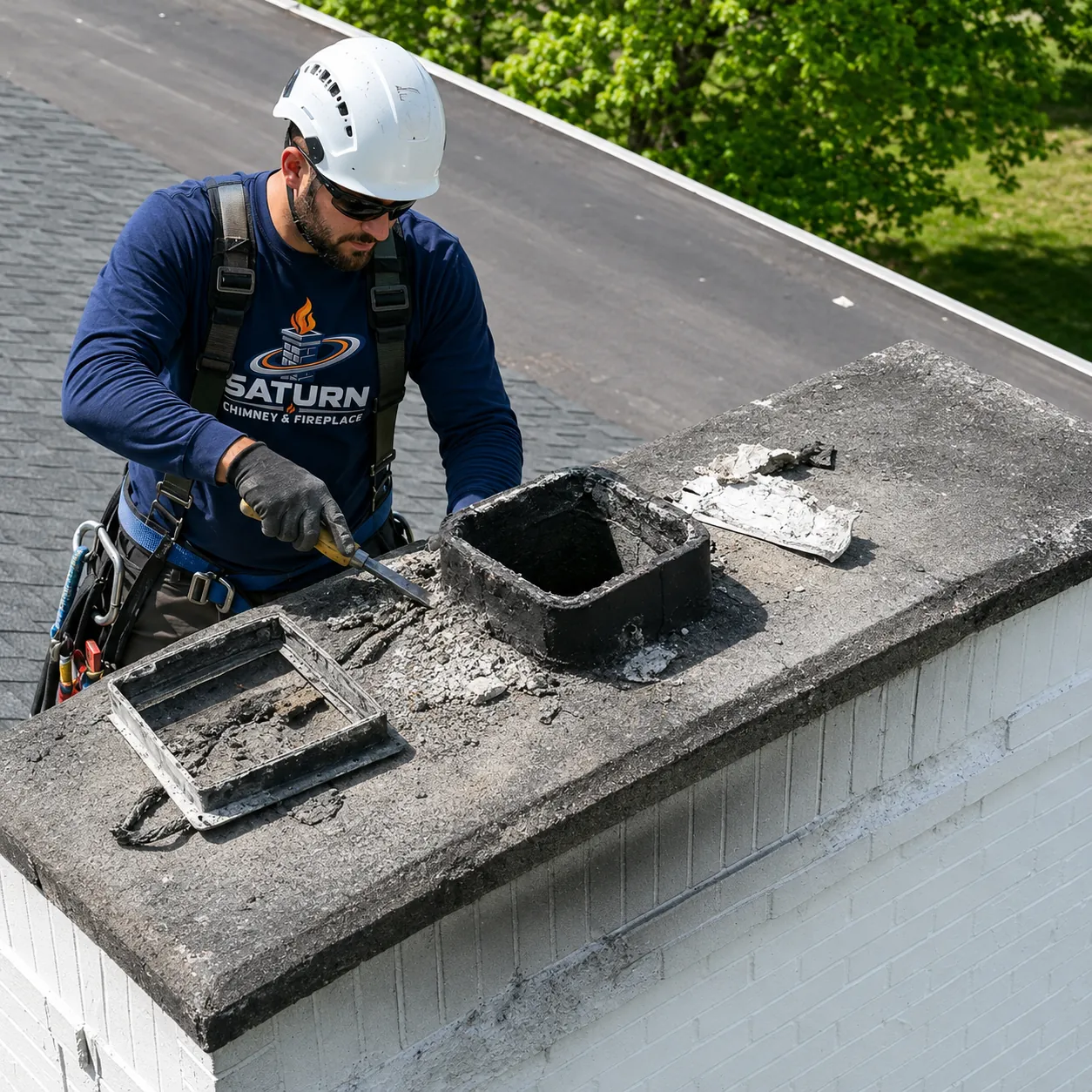
Annual inspection is the starting point. The goal is to check the system for deposits, obstruction, deterioration and correct operation before regular use.
If the home experienced major hail, roof work, a chimney leak or a suspected chimney fire since the last inspection, tell the technician. That history can change the appropriate inspection scope.
2. Check the cap from the ground
Use binoculars if needed. Look for a missing, tilted or visibly damaged cap.
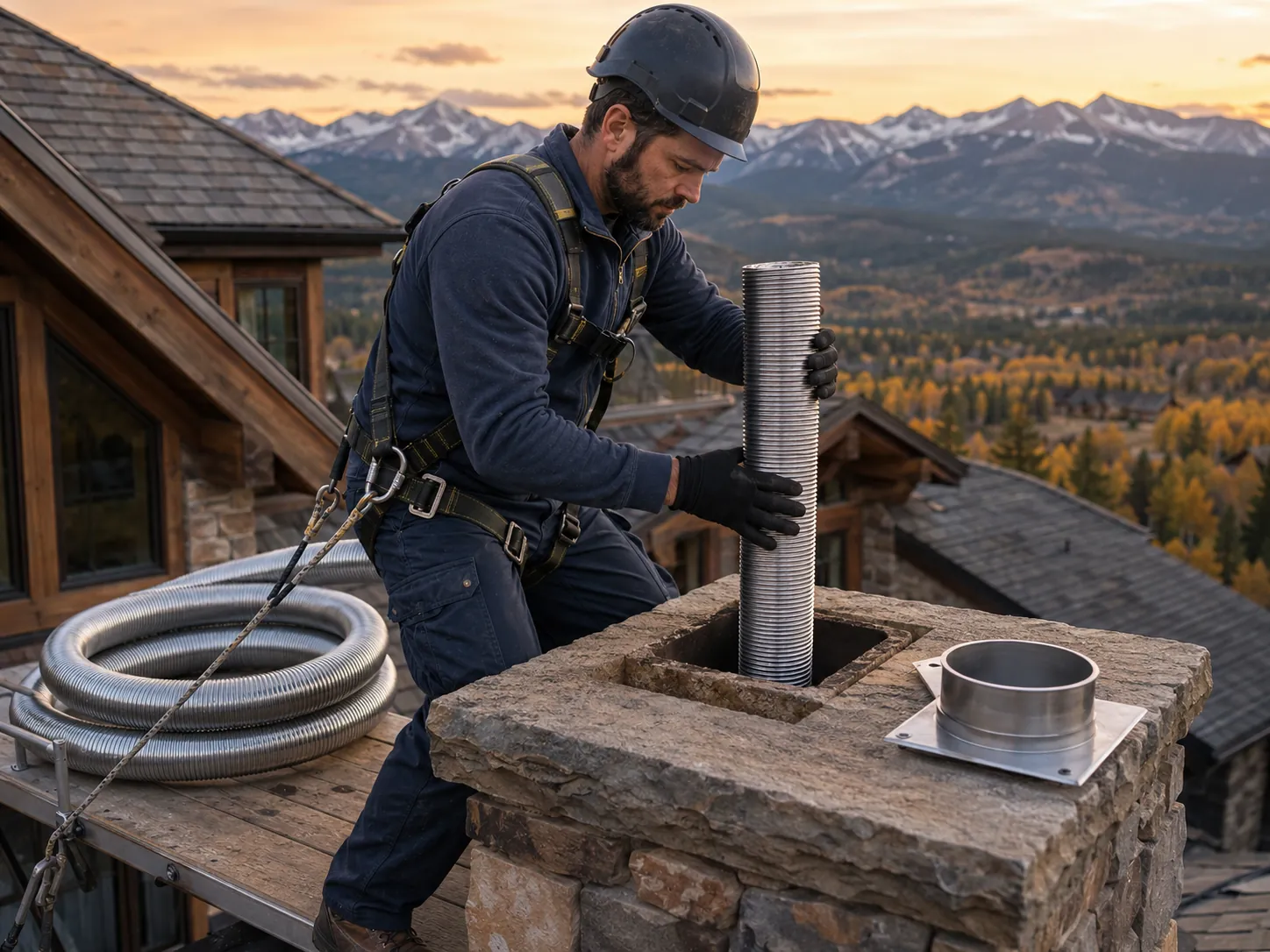
Do not climb a steep or icy roof to inspect it yourself. Roof-level inspection can be performed safely by the appropriate professional.
3. Look for water evidence
Before lighting a fire, check the firebox, ceiling and walls around the fireplace for stains, rust, dampness or unusual odors.
Water problems are easier to diagnose before soot from a new fire complicates the picture.
4. Operate the damper
Make sure the damper opens fully and moves normally. CSIA advises checking that it is open before lighting a fire.
A damaged or partially closed damper can contribute to smoke spillage.
5. Confirm smoke and carbon monoxide alarms are working
Test alarms according to manufacturer instructions and replace batteries or expired units as required.
This is especially important before the start of heating season, when fireplaces, furnaces and other combustion appliances return to regular use.
6. Use dry firewood
EPA Burn Wise recommends dry, seasoned wood, commonly around 20 percent moisture or less. Wet wood burns smokier, provides less useful heat and can contribute to more chimney deposits.
Store wood so it can remain dry and do not burn trash, treated wood, painted materials or plastics in the fireplace.
7. Check for animal activity
Listen for scratching, chirping or movement. Colorado Parks and Wildlife recommends screening fireplace chimneys to reduce wildlife entry.
If you suspect an animal or nest is present, do not light a fire to force it out.
8. Be aware of Denver-area winter burn restrictions
During Colorado's winter high-pollution season, Action Days can trigger mandatory residential burning restrictions in the seven-county Denver-Boulder metro below 7,000 feet, with certain exemptions.
Before burning wood during an Action Day, check current Colorado Department of Public Health and Environment guidance.
9. Watch the first fire carefully
The first fire of the season can reveal changes. Pay attention to smoke spillage, unusual odor, poor draft, sparks, rattling components or gas-fireplace soot.
If something feels different from last year, stop and investigate rather than assuming the system will “burn itself clean.”
10. Do not ignore a history you do not know
If you moved into the home recently and have no chimney service records, treat the system as unknown until inspected.
A fireplace that looks beautiful can still have hidden flue issues or old deposits.
A useful Colorado schedule
Spring: address damage identified during winter.
Summer: complete masonry, crown or exterior repair while weather is favorable.
Late summer/early fall: inspect and clean as needed before the seasonal rush.
Winter: monitor operation and follow local burn restrictions.
Bottom line
A safe first fire starts before you strike a match. Confirm inspection, clear venting, a working damper, functional alarms, dry fuel and no signs of water or animal entry.
Saturn Chimney & Fireplace provides pre-season chimney and fireplace service across Denver, Colorado Springs, Fort Collins and surrounding Colorado communities.
Related Saturn services
Good to know
Frequently asked questions
Late summer and early fall are convenient, but earlier scheduling usually offers more appointment flexibility.
If service history is unknown or there are warning signs, inspection should come first.
EPA guidance commonly uses 20 percent moisture or less as a target for dry firewood.
Yes. Winter Action Days can trigger residential burning restrictions in parts of the Denver-Boulder metro. Check current CDPHE guidance before burning.