Safety
What Is Creosote and How Dangerous Is It? A Colorado Homeowner’s Guide
Learn what creosote is, why it builds up in wood-burning chimneys, what makes it dangerous and how Colorado homeowners can reduce buildup.
Creosote is one of those chimney terms homeowners often hear only after a technician looks up the flue. Understanding what it is makes it much easier to understand why chimney cleaning matters.
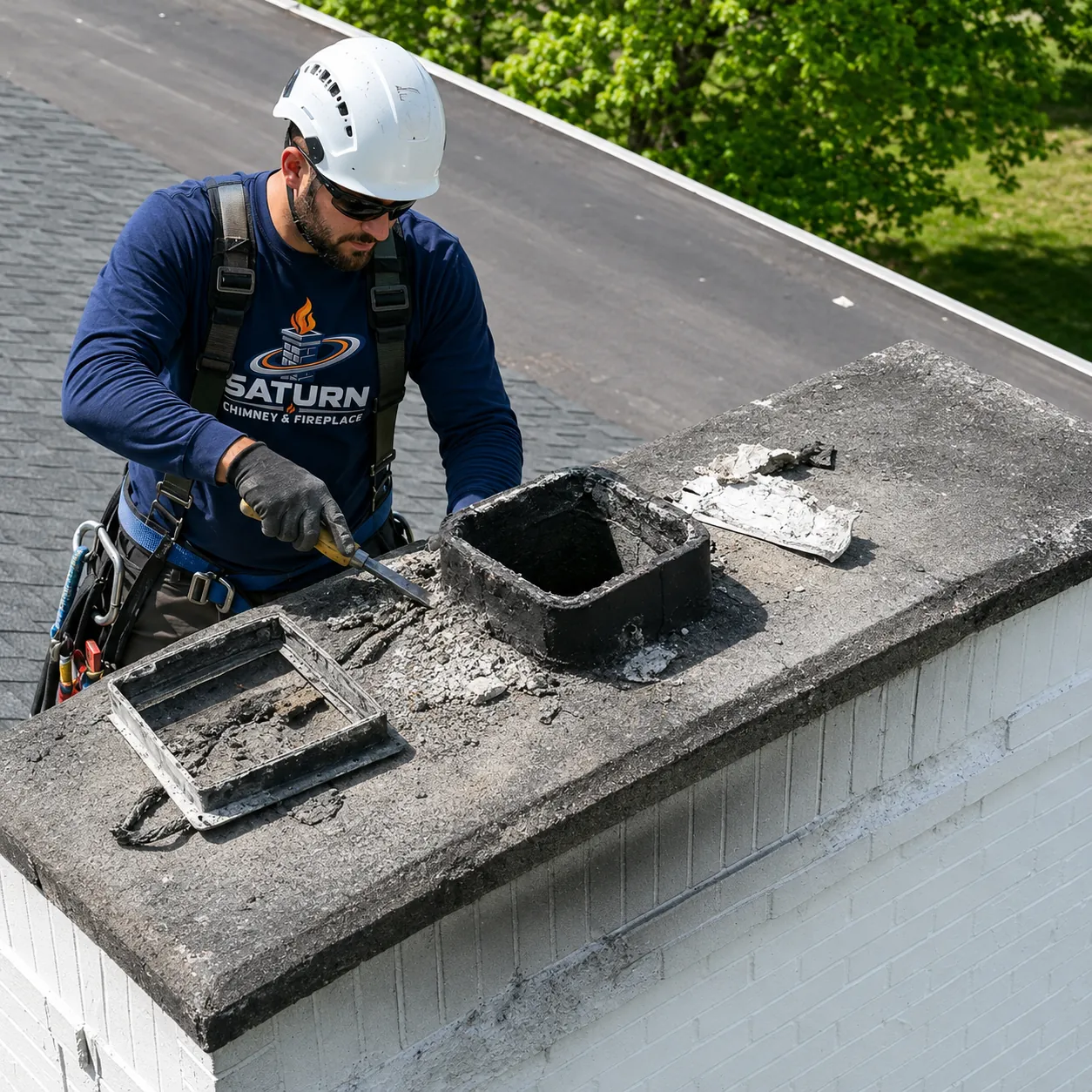
Creosote is a combustible residue created during wood burning. As smoke and combustion gases travel through the chimney and cool, various compounds can condense on the flue surface.
The appearance can range from dry soot-like material to flaky deposits to hard, shiny glaze.
Why creosote is a concern
The most important issue is combustibility. Enough buildup can provide fuel for a chimney fire.
CSIA's homeowner guidance recommends sweeping masonry fireplaces at about 1/8 inch of sooty buildup and sooner when glaze is present. The purpose is not cosmetic cleanliness; it is reducing combustible deposits and keeping the venting pathway serviceable.
What makes creosote build faster?
Wet wood
EPA Burn Wise guidance recommends dry, seasoned firewood, commonly around 20 percent moisture or less. Wet wood uses more energy evaporating moisture and tends to produce more smoke.
Smoldering fires
Starving a fire of air or burning at low temperatures can increase incomplete combustion and smoke.
Cool flue conditions
When smoke cools quickly, condensation inside the chimney can increase. Exterior chimneys, oversized flues or other venting conditions may contribute to lower flue-gas temperatures.
Poor appliance operation
A stove or insert operated outside the manufacturer's instructions can create dirtier combustion. The appliance, liner and chimney should work as a system.
Is all black material creosote?
Soot and creosote are related combustion deposits, but technicians may describe different textures and stages. The terms matter less to the homeowner than the condition.
Dry, brushable material is generally easier to remove. Hard glazed deposits can be more difficult and may require specialized treatment and mechanical removal.
What does creosote smell like?
Creosote can create a strong smoky or tar-like odor, often more noticeable during warm or humid weather when air is being pulled down the chimney.
CSIA notes that summer chimney odor is often related to creosote plus house pressure. Cleaning can reduce the source, but negative pressure may need to be addressed if outdoor air is continually being drawn down the flue.
Can a chimney cleaning log remove creosote?
Chemical products are not a substitute for inspection and mechanical cleaning when cleaning is needed. CSIA explicitly warns against relying on chemical chimney cleaners alone.
Some professional chemical treatments can help change the nature of stubborn glazed deposits so they can be removed more effectively, but the system still needs mechanical cleaning and evaluation.
What does a chimney fire look or sound like?
Some chimney fires are dramatic, with roaring sounds or visible flames. Others may be less obvious.
If you suspect one occurred, stop using the system and have it evaluated before the next fire. Excessive heat can damage flue liners and nearby components even when the chimney continues to stand and appears normal from outside.
How to reduce creosote formation
Burn properly dried wood. Operate the appliance as designed. Avoid long periods of smoky, smoldering combustion. Keep the chimney inspected and clean it when deposits warrant. Do not burn garbage, plastics, painted wood or treated materials.
The cleaner the combustion, the less smoke and residue the system generally has to handle.
Colorado-specific considerations
Long winter evenings can mean frequent fireplace use, while cold exterior chimneys can create cooler flue surfaces. That does not mean every Colorado chimney becomes heavily coated each winter, but it reinforces the value of inspection based on actual use and condition.
Bottom line
Creosote is a normal byproduct of wood burning, but heavy or glazed buildup should not be ignored. The solution is good burning practice, regular inspection and professional cleaning when needed.
Saturn Chimney & Fireplace provides chimney sweeping, creosote removal and inspection throughout Denver, Colorado Springs, Fort Collins and surrounding communities.
Related Saturn services
Good to know
Frequently asked questions
Yes. Creosote is combustible and sufficient buildup can fuel a chimney fire.
CSIA recommends sweeping masonry fireplaces at about 1/8 inch of sooty buildup and sooner when glazed creosote is present.
Wet wood generally produces more smoke and less efficient combustion, which can contribute to deposit formation.
No. Chemical products should not replace inspection and mechanical cleaning when cleaning is needed.
Keep reading