Inspections
Should I Have My Chimney Checked After a Hailstorm?
A post-hail chimney checklist for Colorado homeowners: caps, vents, chase covers, flashing, masonry, leaks and what to verify after roof repairs.
If a Colorado hailstorm was strong enough to send roofers through your neighborhood, the chimney deserves a place on the inspection list.
The reason is simple: chimneys and vents extend above the roof and expose metal, masonry and flashing directly to impact. Some damage is obvious. Other problems are easy to miss until the fireplace is used or the next storm brings water inside.
Start with this post-hail checklist
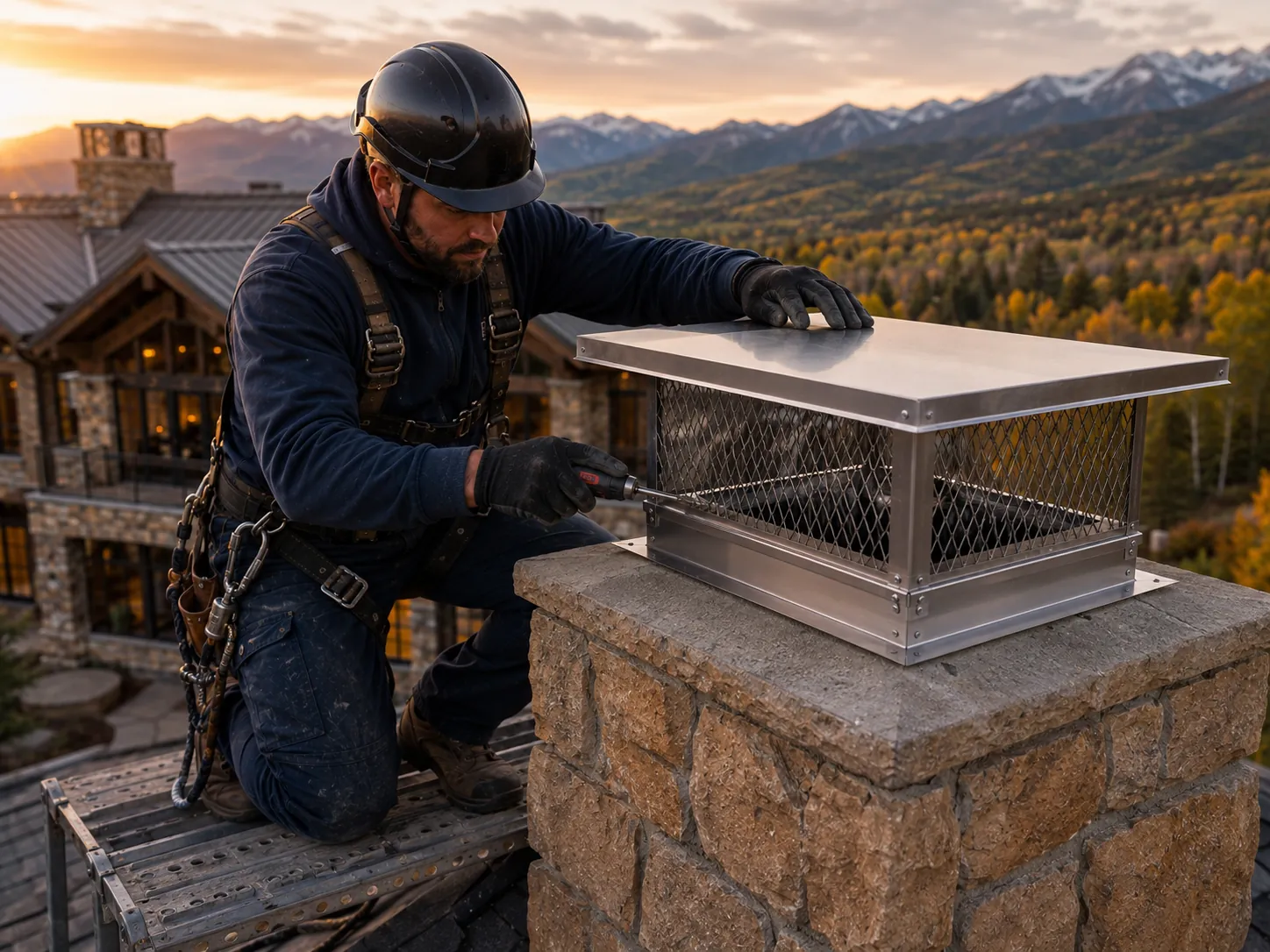
1. Is the chimney cap still straight and secure?
Look from the ground with binoculars or use roof photos from a qualified inspector. A cap should not be visibly tilted, missing or crushed.
2. Are vent terminations open and intact?
Gas appliance vents need a clear exhaust path. The Colorado Roofing Association has warned about large hail flattening or dislodging Type B vent caps.
3. Is the chase cover dented or holding water?
Factory-built chimney chases often have metal covers. Significant denting can affect drainage, especially if the cover already had low spots or corrosion.
4. Did the flashing or surrounding roof change?
Hail damage and subsequent roof repairs can affect the chimney-to-roof transition. New leaks around a chimney are not always caused by the brick itself.
5. Is there fresh masonry or crown damage?
Compare current condition with older photos when possible. Look for new chips, cracks, loose mortar or displaced pieces.
6. Did anything change inside the home?
After the next rain, watch for ceiling stains, damp smells or water in the firebox. When using the fireplace or gas appliance, pay attention to unusual draft, soot or odors.
The roofing repair itself deserves a second look
Post-hail reroofing can introduce a different risk: movement around vents. Colorado Roofing Association guidance notes that roof-level work can sometimes disturb vent pipes or connections that are not visible from outside.
That does not mean roofing work is unsafe. It means combustion vents are part of a system, and work around one end can affect another connection.
What kind of chimney inspection makes sense after hail?
The appropriate scope depends on storm severity and what changed.
If hail was minor and there is no visible chimney or roof damage, your normal annual inspection may be sufficient.
If the storm caused major roof damage, the cap is deformed, the chimney was struck by debris, vent components moved or the system began operating differently, a more focused inspection is appropriate.
Standards for chimney inspection call for a more detailed Level 2 inspection after external events likely to have caused damage. Whether a specific hailstorm rises to that level depends on the actual impact and the system.
What should a technician document?
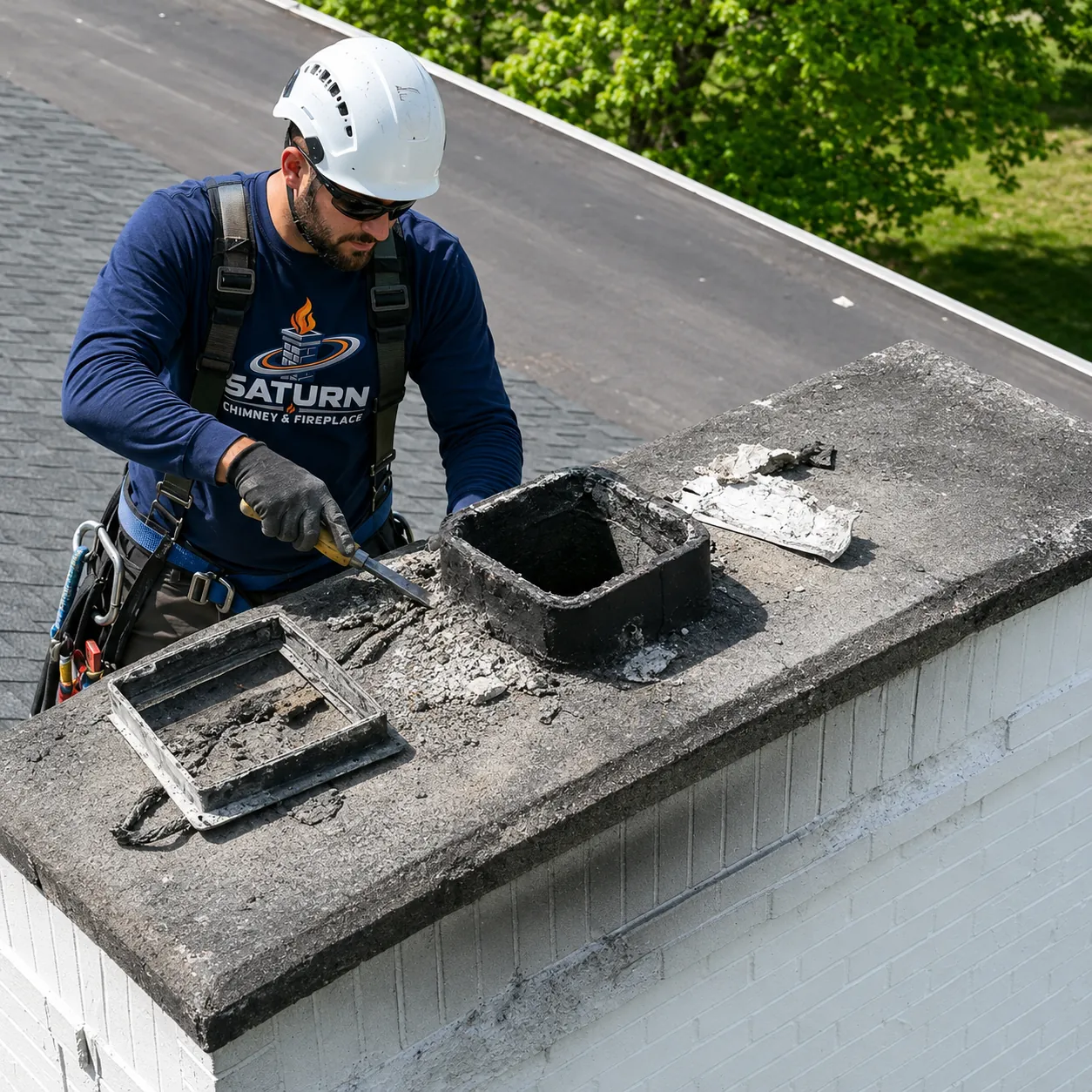
Photos of the cap, crown, chimney exterior, flashing area and chase cover can be helpful. If the event or findings justify a closer internal evaluation, video scanning of the flue can document liner condition.
Good documentation is especially useful when insurance is involved. It separates actual storm-related defects from pre-existing wear.
Watch out for storm-chasing sales pressure
Hail season brings legitimate contractors and aggressive sales tactics.
A hailstorm does not automatically mean your entire chimney failed. Ask for specific documentation of each recommended repair. If a contractor recommends a large rebuild or liner replacement with little explanation, request photos or video and consider another opinion.
Best time to check
If the roof is already being inspected, combine the effort. Ask for clear photos of all roof-level chimney and vent components.
If a reroof is planned, inspect again after work is complete, especially where crews worked around vent stacks, flashing or chimney components.
Bottom line
After significant Colorado hail, especially when the roof is damaged, have the chimney and combustion vent terminations checked too. The most important question is not “Did it hail?” but “Did the storm or repair work change anything that affects water protection or safe venting?”
Saturn Chimney & Fireplace provides post-storm chimney inspections and repairs in Denver, Colorado Springs, Fort Collins and surrounding areas.
Related Saturn services
Good to know
Frequently asked questions
Not every minor storm. A focused inspection is more important after large hail, visible roof damage, changed vent components or new fireplace problems.
Cap, crown, chase cover, masonry, flashing area and nearby roof surfaces are useful starting points.
A roofer can document roof-level condition, but combustion vent safety or repairs may require the appropriate qualified HVAC, plumbing or hearth professional.
Do not assume it is safe. Have the vent path evaluated before continued use.