
Repair & Masonry
“I Was Told My Chimney Needs a $10,000 Repair.” Should I Get a Second Opinion?
If a chimney repair quote is unexpectedly large, learn what documentation to request, how to compare scopes, and when a second opinion is smart.
An unexpected five-figure chimney proposal can make any homeowner uneasy. The work is difficult to see, the terminology is unfamiliar, and the consequences of ignoring a real safety problem can be serious.
That is exactly why a large chimney recommendation should be understandable and well documented.
A second opinion is not disrespectful to the first contractor. For a major repair, it can be a sensible part of making an informed decision.
First, ask what the quote is actually fixing
Large chimney proposals often combine multiple items:
- - Masonry rebuild
- - Flue relining
- - Crown replacement
- - Cap installation
- - Flashing work
- - Waterproofing
- - Smoke chamber work
- - Fireplace repairs
A total price alone tells you very little. Ask for the scope to be broken down so you can see which conditions are driving the cost.
Request visual evidence
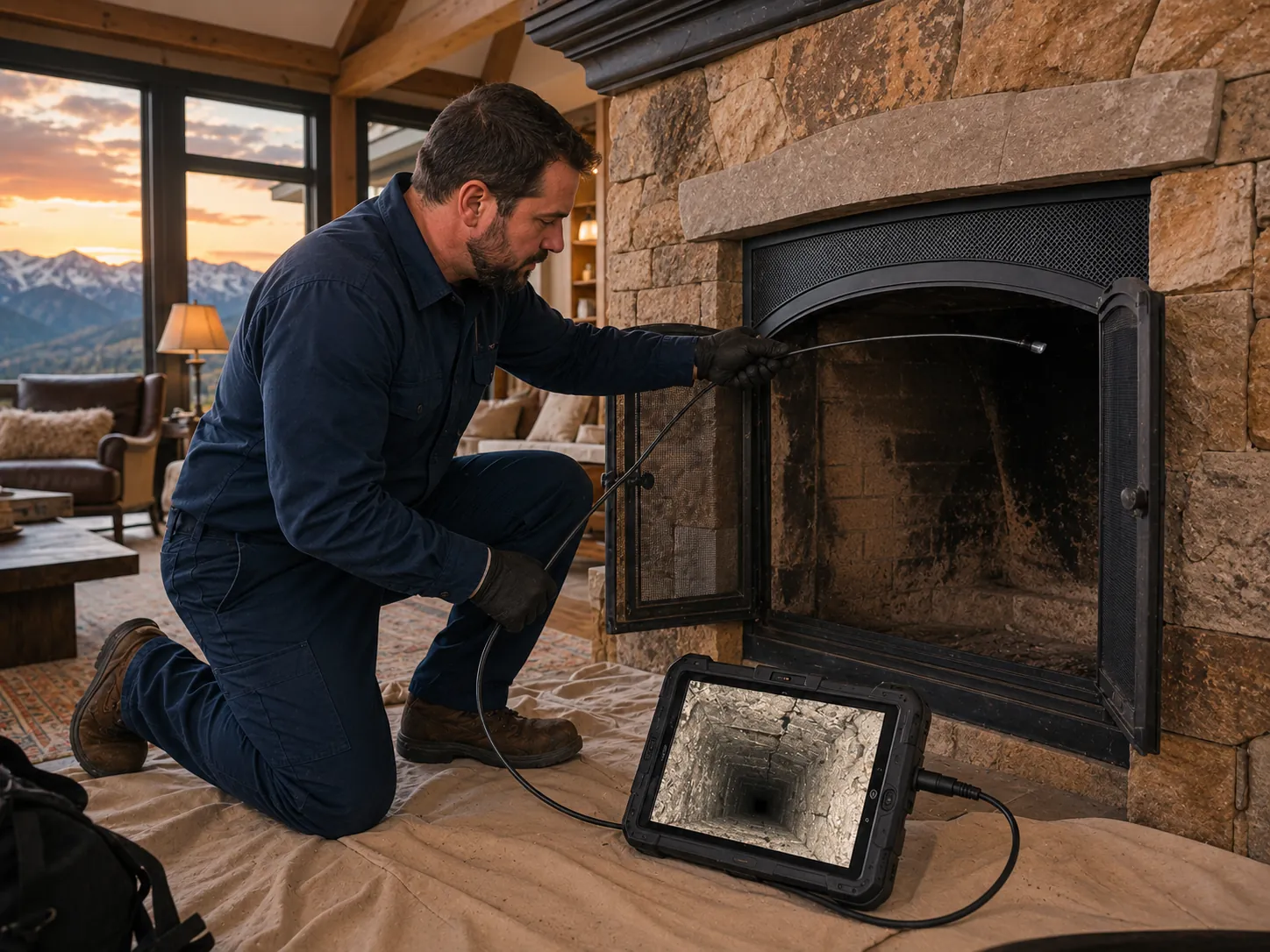
When the concern is hidden inside the chimney, ask to see photos or video.
For exterior work, clear photographs of cracked crowns, spalled brick, loose mortar, damaged flashing, or deteriorated chase covers can help.
A homeowner should be able to connect the proposed repair to a visible or documented condition.
Ask whether the problem is safety-related, performance-related, or preventive
These categories are different.
A dangerous venting defect may need prompt correction. A leak may require repair to prevent further damage. A preventive recommendation may be useful but less urgent.
Understanding the category helps you prioritize the work instead of treating every line item as an emergency.
Compare scope, not just price
A $6,000 quote and a $10,000 quote may not be competing proposals if one includes a liner, crown, flashing, and partial rebuild while the other covers only masonry.
Create a side-by-side list:
- - What is being removed?
- - What is being installed?
- - How much of the chimney is being rebuilt?
- - Is the liner included?
- - Is scaffolding or lift access required?
- - Is permitting included?
- - What materials are specified?
- - What warranty is provided?
Only then can you compare meaningfully.
Red flags in a major chimney proposal
Be cautious when:
- - The diagnosis is delivered without any evidence
- - The technician refuses to show inspection images
- - You are pressured to sign immediately
- - The proposal uses only broad phrases such as “chimney unsafe” without detail
- - A full rebuild is recommended after a very limited inspection
- - Every small defect is described as an emergency
- - The written scope does not match what was explained verbally
A professional can communicate urgency without creating panic.
When a second opinion is especially valuable
Consider another qualified evaluation when:
- - The repair is a major financial decision
- - The diagnosis is surprising
- - The fireplace had no known problem before the inspection
- - A liner or rebuild recommendation is based on hidden conditions
- - The first proposal is unclear
- - You are in the middle of a home purchase or sale
- - Insurance may be involved
Do not shop only for the answer you want
A second opinion is useful only if you are open to the possibility that the first contractor was correct.
If two independent inspections document the same serious defect, the consistency should increase confidence. If the opinions differ, ask why.
Sometimes the difference comes from inspection level, access, repair philosophy, or code interpretation rather than dishonesty.
Colorado-specific cost factors
Chimney work can become expensive because of roof pitch, access, height, scaffolding, masonry matching, weather, permit requirements, and the extent of hidden deterioration.
Homes in mountain-adjacent or exposed Front Range locations may also have access and wind conditions that complicate exterior work.
That does not justify an unexplained price, but it helps explain why chimney repair cannot be priced accurately from a national average alone.
Bottom line
If you receive a major chimney proposal, ask for evidence, scope, and explanation. If you still do not understand why the work is necessary, get another qualified opinion before committing.
The goal is not to find the cheapest answer. It is to become confident that the diagnosis is real and the proposed repair is proportionate.
Related Saturn services
Good to know
Frequently asked questions
Some projects can, especially relining, extensive masonry, access-heavy work, or combined repairs. The price should still be supported by a clear scope.
Yes. For hidden or exterior defects supporting a large repair, visual documentation is reasonable.
You can, but it can be useful to let the second inspector form an independent diagnosis first.
Ask each company to explain the specific evidence behind its conclusion. A third qualified evaluation may help when the financial or safety stakes are high.
Keep reading
