Inspections
Colorado Springs Chimney Maintenance: A Homeowner's Guide
Learn how elevation, wind, snow, hail, firewood, and seasonal use affect chimneys and fireplaces in Colorado Springs and the Pikes Peak region.
Colorado Springs sits above 6,000 feet, with the Pikes Peak region rising dramatically to the west. That geography creates beautiful views and a real set of considerations for fireplaces and chimneys.
Elevation, wind, cold nights, hail, snow, and seasonal wood burning all affect how a system should be maintained.
Annual inspection is the foundation
Colorado Springs Fire Department has repeatedly reminded residents to have chimneys inspected and cleaned professionally on an annual basis as appropriate.
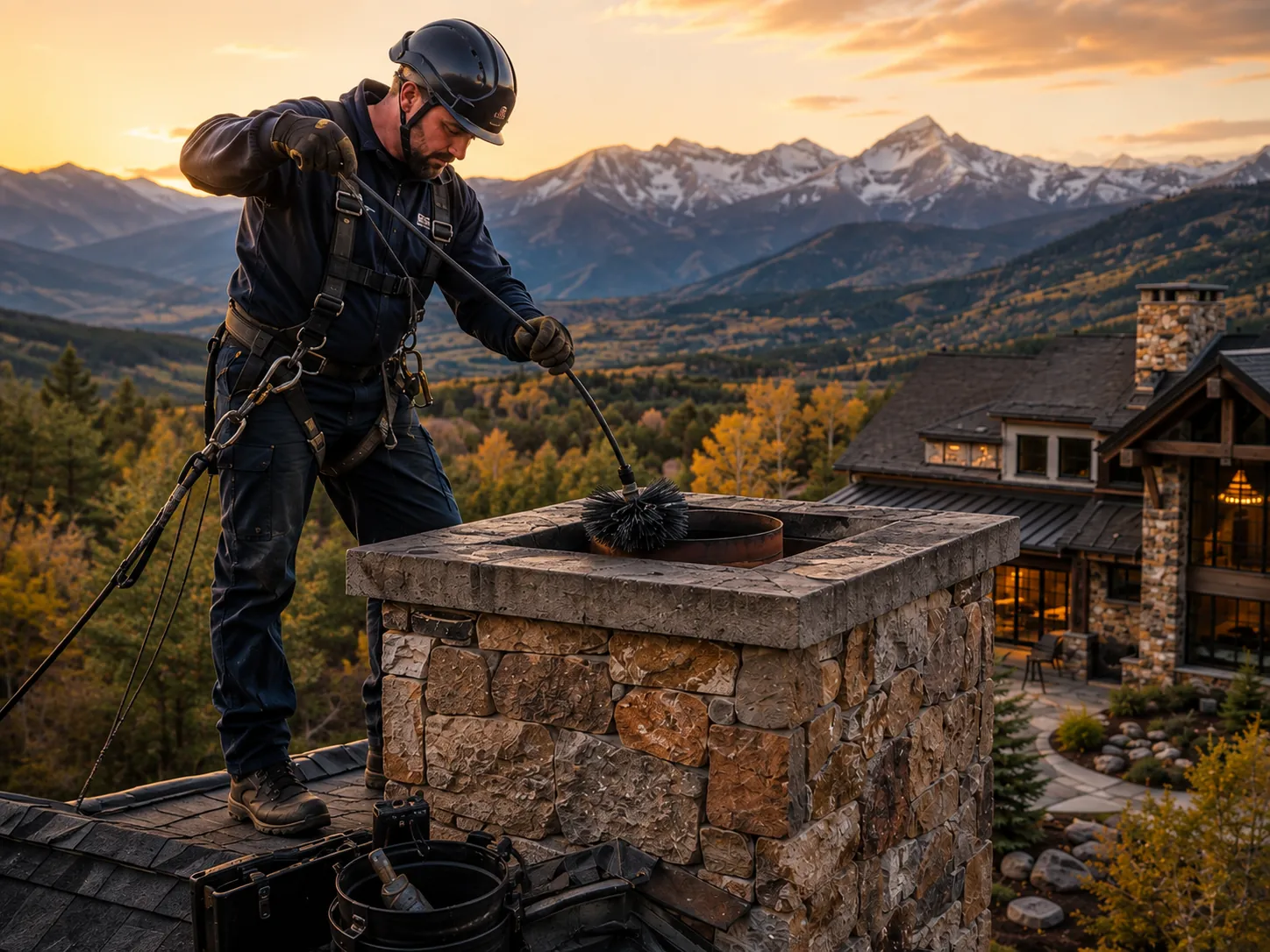
Inspection looks beyond soot. It can identify damaged caps, masonry deterioration, flue problems, and blockages before the fireplace is used heavily.
High elevation and draft
Lower air density at elevation can influence combustion and natural draft.
A properly designed fireplace can work well, but problems such as oversized flues, cold exterior chimneys, strong winds, and negative house pressure can become more noticeable.
If the fireplace smokes only under certain weather conditions, tell the technician exactly when it happens.
Pikes Peak region wind
Terrain can create strong and changing wind patterns.
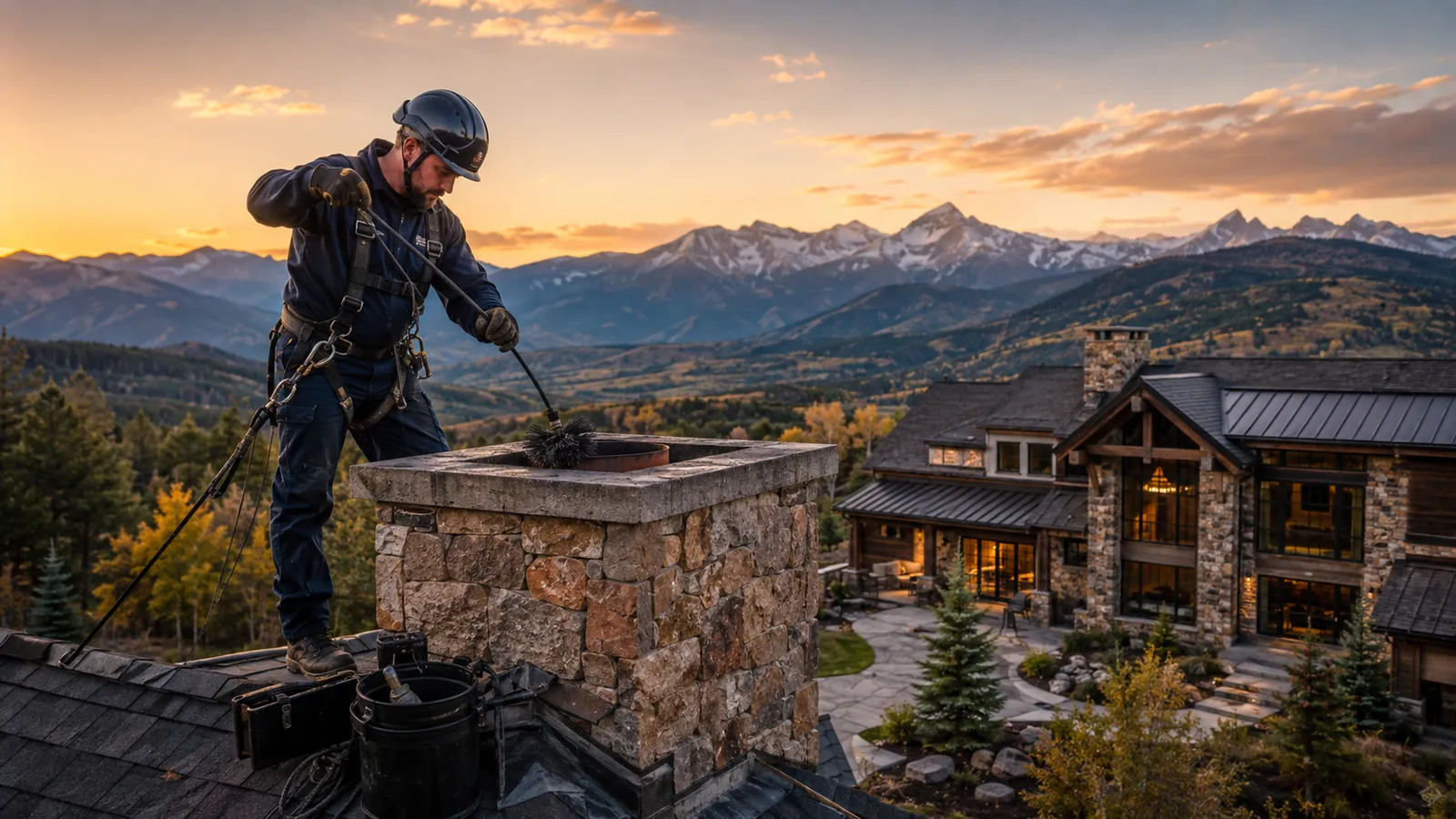
A chimney termination that sits near a roof peak, tall trees, or another structure may experience turbulence. Wind-related downdrafts should be diagnosed before installing a specialty cap or chimney extension.
Hail and roof-level components
Colorado Springs is no stranger to hail.
After a damaging storm, include:
- - Chimney cap
- - Vent termination
- - Chase cover
- - Flashing
- - Crown
in the roof inspection.
Masonry and freeze-thaw
Brick and mortar that absorb water can deteriorate when freezing temperatures arrive.
Watch for:
- - Spalled brick
- - White efflorescence
- - Open mortar joints
- - Crown cracks
- - Water stains
Repairing water entry early can prevent a small defect from spreading.
Fireplace and stove permits
Pikes Peak Regional Building Department states that permits are required for fireplace or stove installation, including gas or solid-fuel projects, within its jurisdiction.
Homeowners should verify the exact permit and contractor requirements for their address before installation or replacement.
Firewood habits
Use dry, seasoned wood. EPA guidance recommends moisture content around 20 percent or less.
A small, hot startup fire produces less smoke than a large load of damp wood allowed to smolder.
Bottom line
Colorado Springs chimney maintenance should combine annual inspection, good burning practices, attention to high-elevation draft, and exterior checks after storms and winter freezes.
Related Saturn services
Good to know
Frequently asked questions
It can be one factor. Flue size, chimney height, temperature, wind, and house pressure also matter.
Pikes Peak Regional Building Department lists fireplace and stove installation among projects requiring permits in its service area.
Yes, especially when the roof has visible damage or the chimney cap and vent termination were exposed to large hail.
Spring and summer allow time for repairs, while late summer and early fall prepare the system for the heating season.
Keep reading