Inspections
Fort Collins Chimney & Fireplace Maintenance: What Local Homeowners Should Know
A Fort Collins guide to chimney inspections, wood burning, wind, freeze-thaw damage, permits, firewood, and seasonal fireplace maintenance.
Fort Collins homeowners experience cold winters, strong Front Range winds, spring snow, hail, and rapid temperature changes. Those conditions can affect both the venting performance and exterior condition of a chimney.
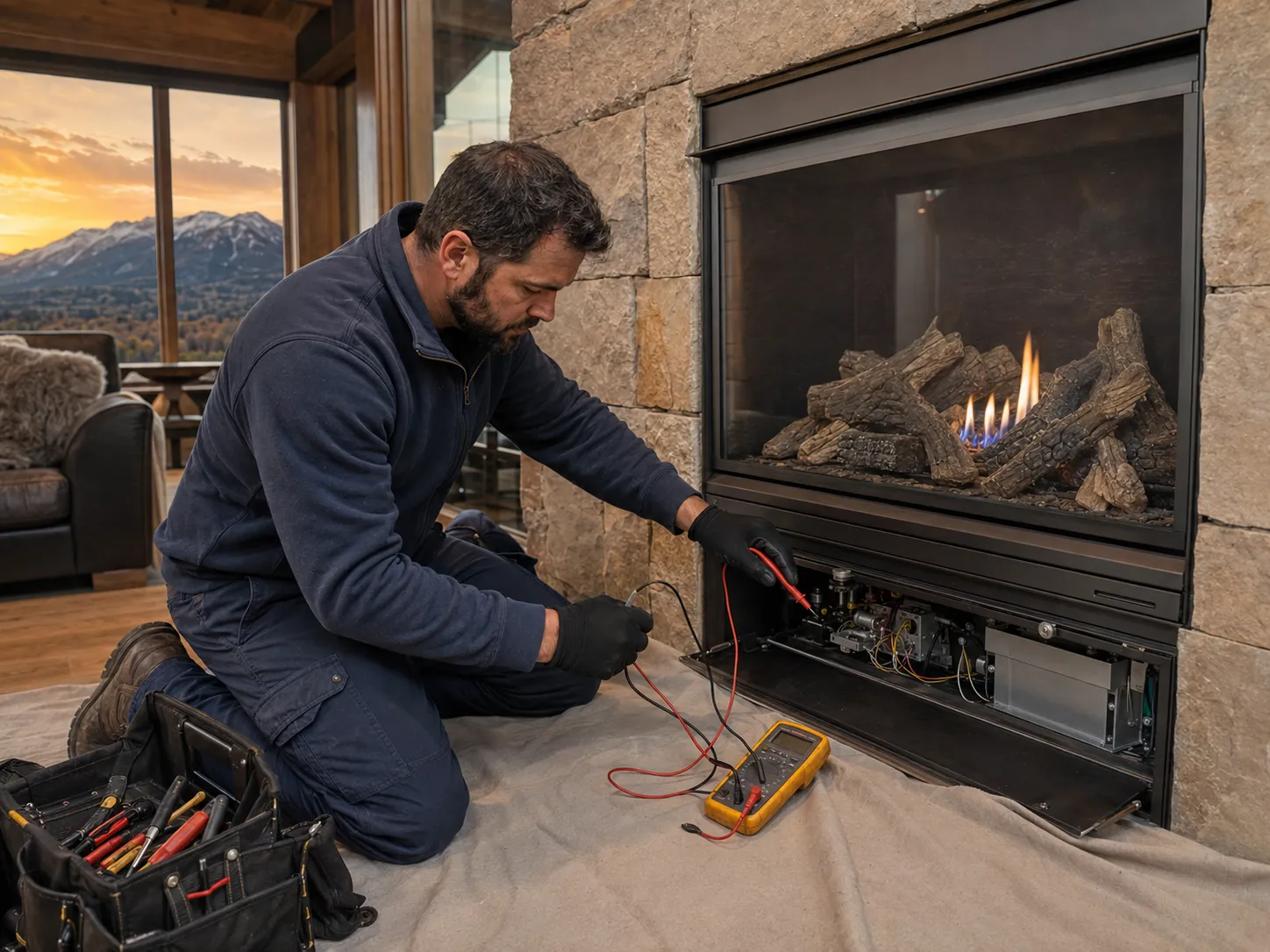
Inspect the system annually
Even a fireplace used only occasionally can develop problems during the off-season.
Animals can enter, caps can loosen, masonry can absorb water, and debris can collect. Annual inspection provides a condition baseline before regular use.
Watch the upper chimney
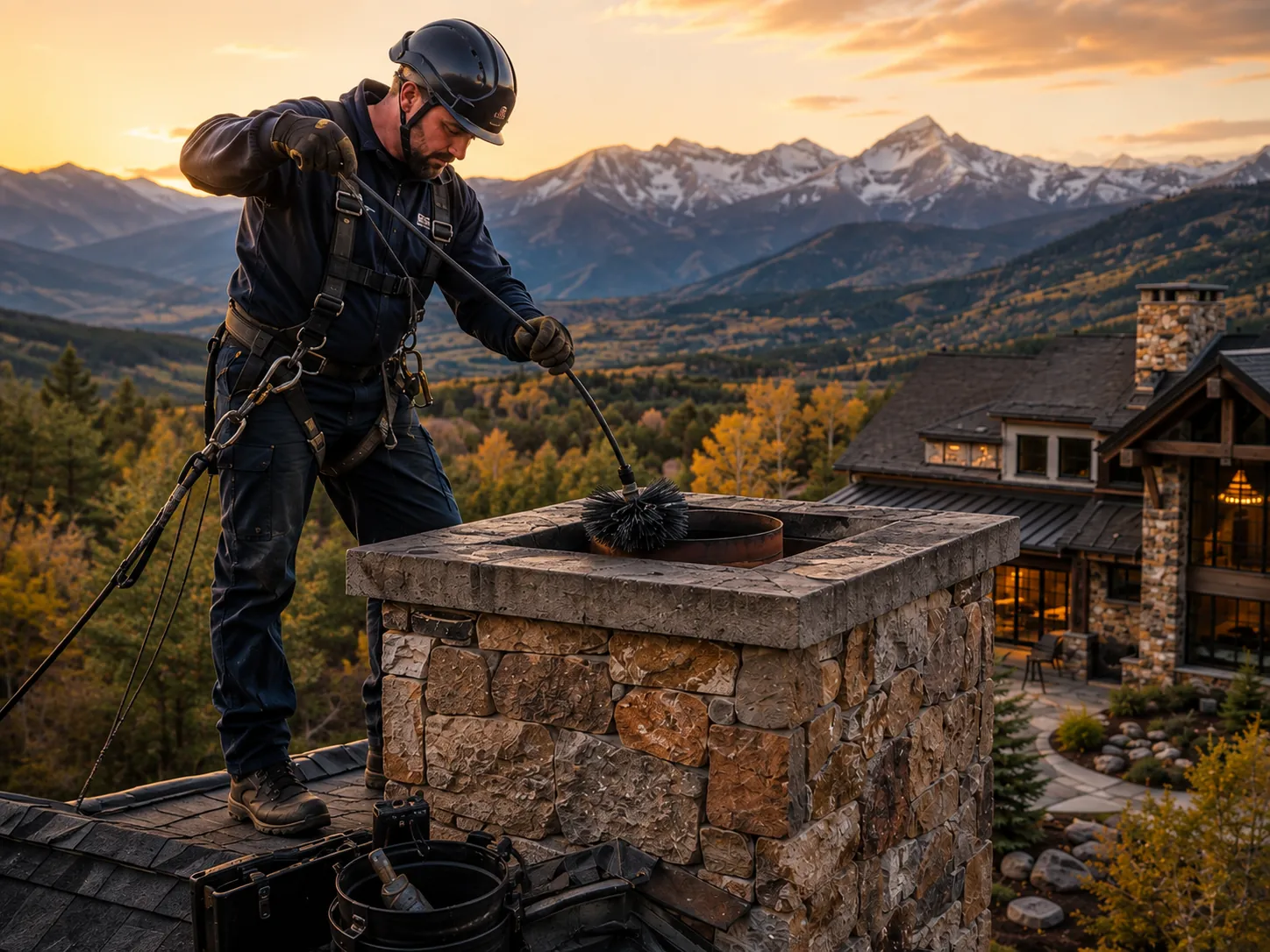
The portion above the roofline receives the most exposure.
Look for:
- - Cracked crowns
- - Missing caps
- - Spalled bricks
- - White staining
- - Loose mortar
- - Rusted chase covers
- - Flashing problems
These are often easier and less expensive to address before deterioration spreads.
Wind can change draft
Fort Collins can experience strong winds, and roof turbulence can affect chimney performance.
If smoking occurs mainly on windy days, do not assume the flue simply needs cleaning. Blockage, cap design, chimney height, house pressure, and roof geometry all need consideration.
Burn dry firewood
EPA guidance recommends properly seasoned wood around 20 percent moisture content or less.
Keep wood off the ground, cover the top of the stack, and allow airflow around the sides.
Know the permit rules for installations
The City of Fort Collins Building Services lists fireplaces, fire pits, wood-burning stoves, and gas/wood-burning appliances among its permit categories.
Fort Collins also publishes specific permit guidance for wood-burning stoves, pellet stoves, and masonry heaters.
Before installing or replacing an appliance, verify the current requirements for the exact project.
Older homes may have special considerations
Fort Collins has many homes where fireplaces or chimneys have been modified over time.
If a property is older, ask about:
- - Previous liner work
- - Gas conversions
- - Abandoned flues
- - Historic masonry repairs
- - Appliance replacements
The city also notes that exterior alterations to buildings 50 years or older may involve Historic Preservation review, depending on the project.
Seasonal maintenance schedule
Spring
Check winter damage and plan masonry repairs.
Summer
Complete exterior work and schedule cleaning before fall demand.
Fall
Confirm inspection, dry firewood, alarms, and fireplace controls.
Winter
Monitor draft, leaks, and performance changes.
Bottom line
Fort Collins chimney care combines annual inspection with strong attention to weather exposure, wind, and local installation requirements. Small exterior defects are easiest to manage before another freeze-thaw season expands them.
Related Saturn services
Good to know
Frequently asked questions
Yes. City guidance states that a building permit is required to install a wood-burning stove, pellet stove, or masonry heater.
Fort Collins lists gas/wood-burning appliances and fireplaces among permit categories. Verify the exact scope with Building Services.
Yes. Weather, animals, and deterioration can occur even without regular fires.
Roof turbulence, cap condition, chimney height, flue sizing, and house pressure are all possible factors.