Repair & Masonry
Chimney Repair or Rebuild? How to Know What Your Chimney Actually Needs
Learn the difference between chimney repair, partial rebuild, and full rebuild, plus the signs that help determine the right scope for a Colorado home.
A chimney can have one damaged brick or hundreds. It can leak because of flashing or because the entire upper stack is deteriorating. It can have a cracked crown while the masonry below remains solid.
That is why “repair or rebuild?” cannot be answered from one photograph or one visible crack.
Think in levels of intervention
Maintenance repair
This is work that corrects a limited defect before it becomes larger. Examples include crown sealing, replacing a cap, or repairing a small area of mortar.
Localized masonry repair
Damaged bricks or joints are removed and replaced while the majority of the chimney remains intact.
Partial rebuild
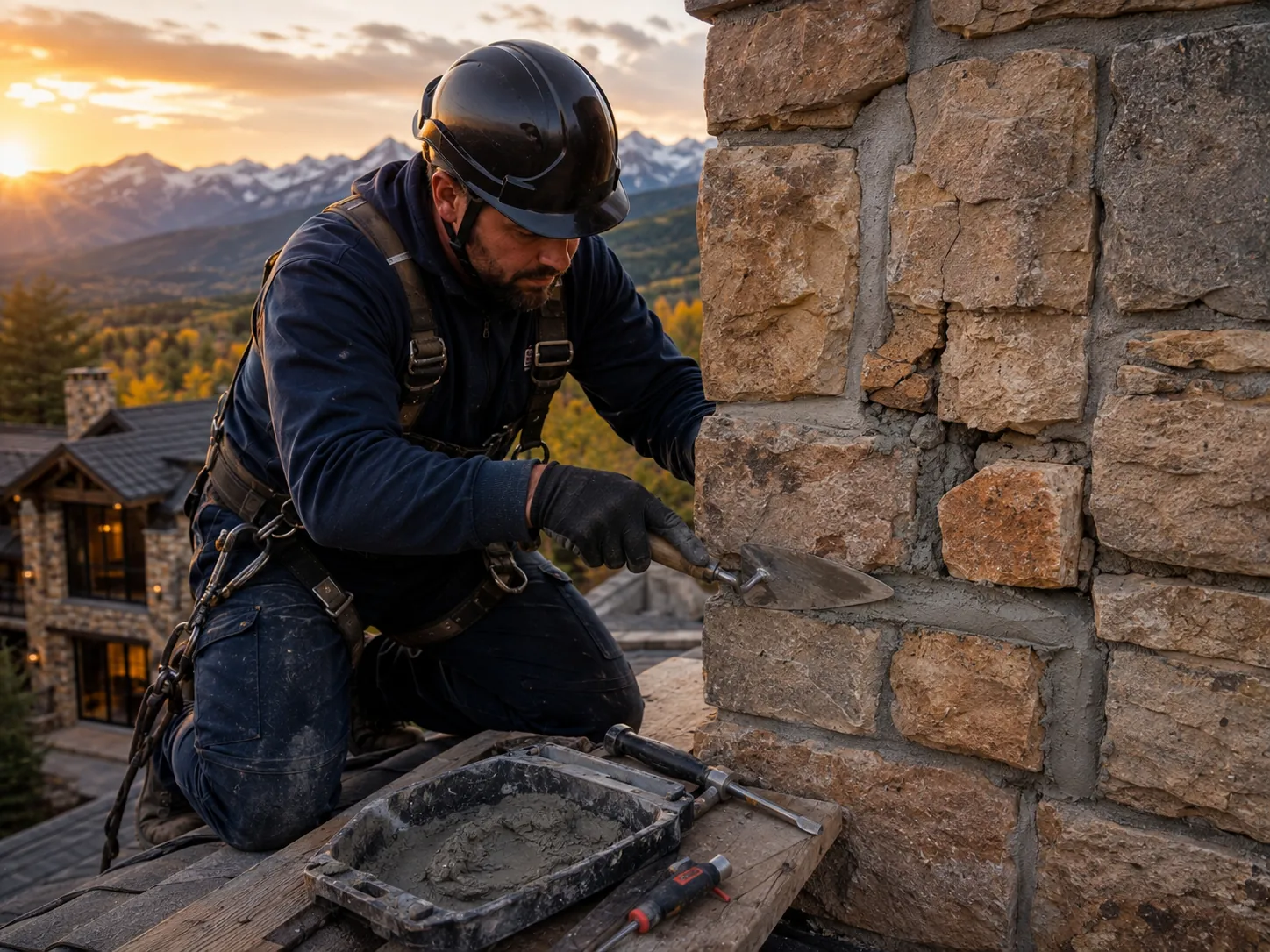
A defined section - often above the roofline - is dismantled and reconstructed because too much of that area has deteriorated for spot repairs to be reliable.
Major or full rebuild
A larger portion of the chimney is reconstructed when deterioration, movement, or structural damage is extensive.
Signs that lean toward repair
A repair may be appropriate when:
- - Damage is limited to a few bricks or joints
- - The chimney is straight and stable
- - Most masonry remains hard and well bonded
- - The crown is defective but the stack is sound
- - Flashing is the primary source of leakage
- - The liner problem can be corrected independently
Signs that may support rebuilding
Rebuilding becomes more likely when:
- - Many bricks are soft, spalled, or loose
- - Mortar can be easily removed across large areas
- - The chimney is leaning
- - Cracks extend through multiple courses
- - Water damage is widespread
- - Previous patches are failing throughout the stack
- - The masonry has lost enough material that there is little sound substrate to repair
Do not judge by appearance alone
A chimney can look rough but remain structurally serviceable, while another can look acceptable from the street and have serious hidden deterioration.
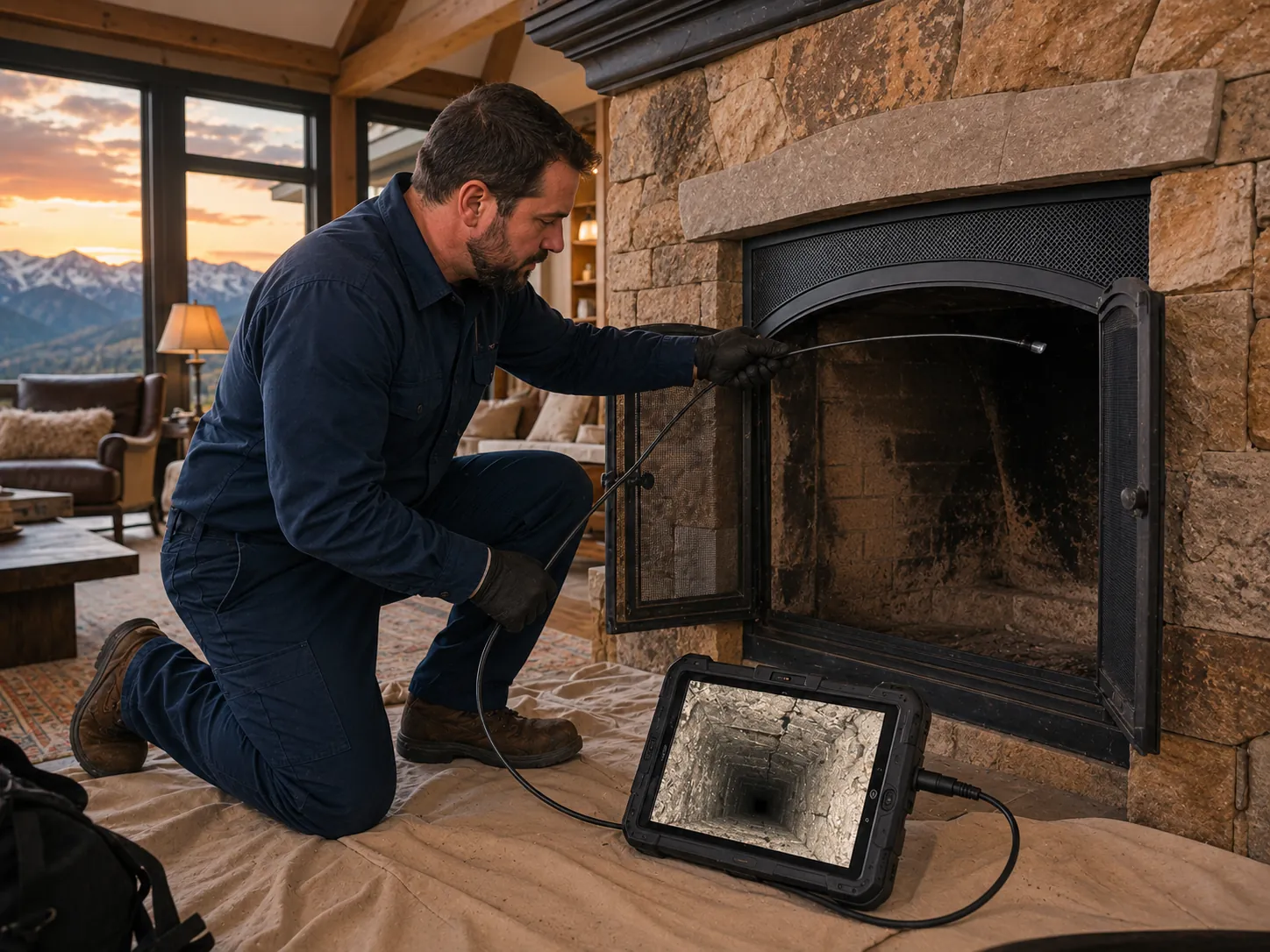
Close inspection matters. So does checking inside the attic or roof penetration when accessible, because movement or moisture may be visible there before it is obvious outside.
What about the flue liner?
Exterior masonry condition and liner condition are related but separate questions.
A chimney may need liner work while the brick remains sound. It may need an above-roof masonry rebuild while the flue below remains serviceable. A complete proposal should separate those components rather than treating the chimney as one undifferentiated structure.
Colorado freeze-thaw damage often starts above the roof
The top of the chimney receives the most weather exposure. That can create a common pattern in which the upper courses are badly deteriorated while the masonry below the roofline is much better preserved.
This is why a partial above-roof rebuild can sometimes be the correct middle ground between small repairs and a complete teardown.
How to compare proposals fairly
Two estimates may use the word “rebuild” but describe completely different scopes.
Compare:
- - How many feet or courses are being removed
- - Whether the crown is included
- - Whether the cap is included
- - Whether flashing is being replaced or disturbed
- - Whether the flue liner is part of the scope
- - Brick and mortar specifications
- - Cleanup and debris removal
- - Permit requirements
- - Warranty terms
Without this detail, price comparisons are misleading.
Bottom line
The best chimney project is not automatically the least expensive repair or the largest rebuild. It is the smallest scope that responsibly corrects the documented problem and protects the remaining sound structure.
Related Saturn services
Good to know
Frequently asked questions
Yes. When deterioration is concentrated above the roofline or in another defined section, a partial rebuild may be appropriate.
Not necessarily. Crown repair or replacement can often be completed independently when the masonry below remains sound.
Repointing can be very effective when bricks remain sound and deterioration is mainly in the mortar joints.
Ask both to document the damaged area and define exactly how much masonry they plan to remove. A third qualified opinion can help when the difference is substantial.
Keep reading