Cleaning
How Often Should You Clean Your Chimney in Colorado?
Learn how often Colorado chimneys should be cleaned, what affects creosote buildup, and when Colorado homeowners should schedule service.
One of the most common questions we hear is also one of the easiest to answer incorrectly: “Do I need my chimney cleaned every year?”
The better question is: “Does my chimney need to be inspected every year, and what does that inspection show?”
Cleaning frequency is not based only on the calendar. It depends on how much the fireplace is used, what is burned, how the appliance operates, the type of chimney, and how much soot or creosote has accumulated.
For Colorado homeowners, seasonal use and colder weather can make this question especially important as fall approaches.
Start with an annual inspection
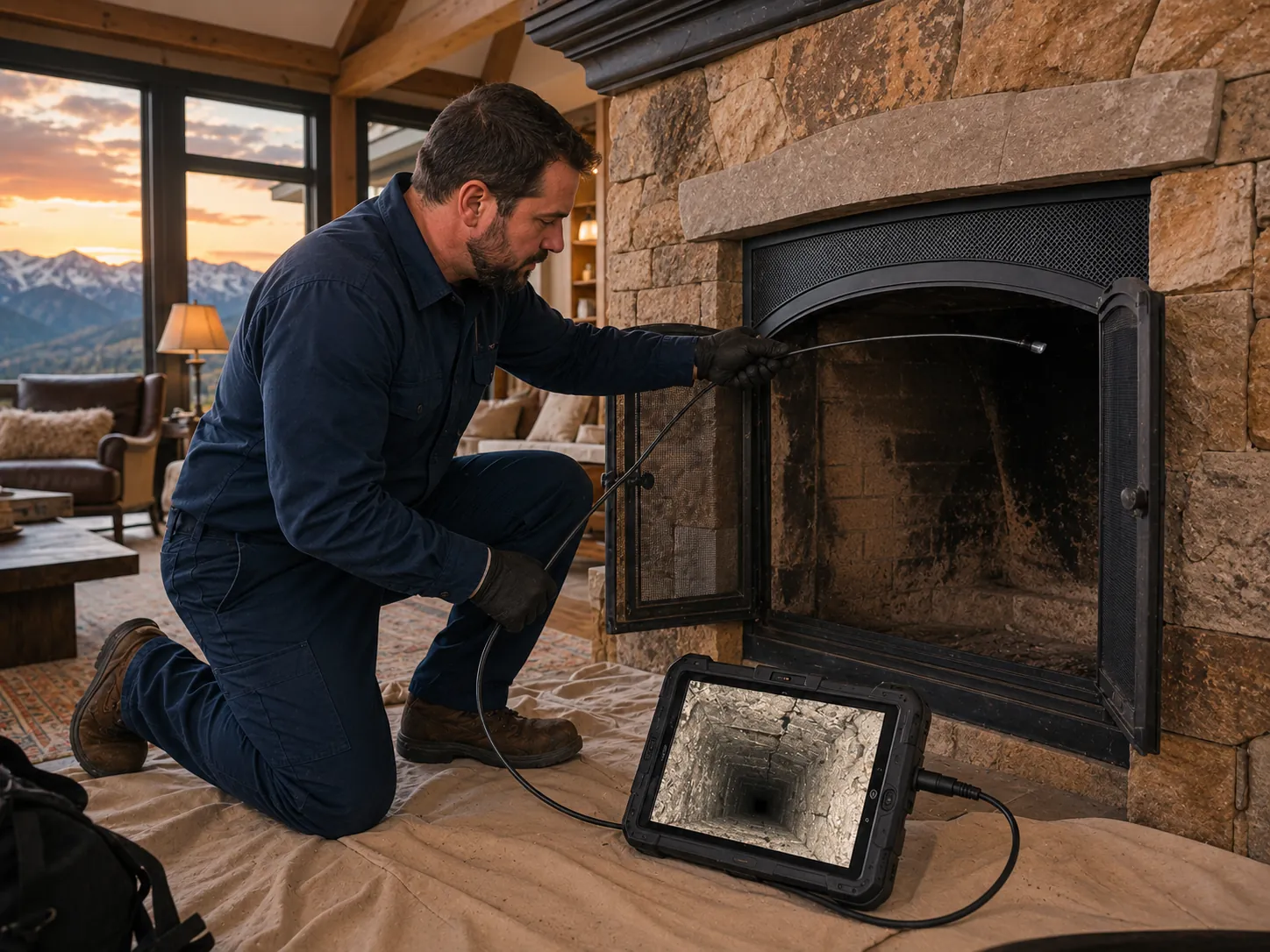
The Chimney Safety Institute of America points to NFPA 211 guidance calling for chimneys, fireplaces and vents to be inspected at least once a year for condition, deposits and clearances, with cleaning, maintenance and repairs completed as needed.
That distinction matters. An annual inspection does not automatically mean an annual cleaning. It means the system should be evaluated often enough to determine whether cleaning or another service is necessary.
CSIA also notes that masonry fireplaces should generally be swept when there is about 1/8 inch of sooty buildup, and sooner when glazed creosote is present.
What makes one chimney get dirty faster than another?
Two neighbors can use their fireplaces the same number of nights and end the winter with very different flue conditions.
Wood moisture
Wet or green wood burns less efficiently and tends to produce more smoke. EPA guidance encourages homeowners to burn properly dried wood, commonly around 20 percent moisture or less.
Smoldering fires
A fire that is starved for air and allowed to smolder can create more smoke and incomplete combustion products than a bright, properly operated fire.
Chimney temperature
When flue gases cool quickly, condensation of combustion byproducts can increase. Exterior chimneys and certain long or oversized flues may stay cooler than ideal under some conditions.
Appliance type
An open masonry fireplace, modern EPA-certified wood stove, fireplace insert and factory-built fireplace do not operate exactly the same way. The cleaning threshold and service procedure should match the system.
Frequency of use
A fireplace used every weekend throughout a Colorado winter will usually accumulate more deposits than one used only a few times around the holidays, but usage alone still does not tell the whole story.
Signs your chimney may need cleaning before your scheduled inspection
Heavy visible soot or flaky deposits near the damper can be a clue, but homeowners should not rely only on what they can see from below.
Other signs that deserve attention include a strong smoky odor, poor draft, debris falling into the firebox, an unusual amount of smoke when starting a fire, or a history of burning damp wood.
A chimney fire history is a separate issue. If you suspect a chimney fire occurred, stop using the fireplace until the system has been evaluated for damage.
Is spring or fall better for chimney cleaning in Colorado?
Both can work.
Spring and early summer can be convenient because the heating season has just ended. If repairs are found, there is more time to address them before cold weather returns.
Late summer and early fall are popular because homeowners are thinking about the upcoming fireplace season. The downside is that appointment demand often rises as the first cold nights approach.
If you want the most flexibility, schedule before the fall rush rather than waiting for the first snow forecast.
What if I barely use my fireplace?
Low use does not eliminate the value of inspection.
A chimney can develop issues unrelated to soot: animal nests, damaged caps, water intrusion, masonry deterioration, corrosion, loose components or roof-related damage. That is one reason annual inspection guidance is based on the whole system, not simply the number of fires burned.
Can I use a chimney cleaning log instead?
Chemical products may have a role in certain maintenance situations, but CSIA specifically warns against treating them as a substitute for professional inspection and mechanical cleaning when cleaning is needed.
A chemical product cannot inspect a flue liner, identify a cracked crown, find failed flashing or confirm that a cap is still secure after a storm.
What about gas fireplaces?
Gas systems do not create wood-burning creosote in the same way, but their venting systems still need to remain clear and functional. Birds, debris, corrosion and vent damage can affect a gas appliance too.
The service schedule should follow the appliance manufacturer's instructions and the condition of the system.
Colorado-specific timing tip
For homes in Denver, Colorado Springs, Fort Collins and nearby communities, it is smart to schedule chimney work before regular winter use. If your home experiences a major hailstorm, roof replacement, chimney leak or unusual smoke problem during the year, do not wait for the next routine appointment.
Bottom line
Do not clean a chimney simply because twelve months passed, and do not skip inspection simply because you used the fireplace only twice.
Inspect regularly. Clean when deposits and conditions call for it. Address water, venting and structural problems when they are identified.
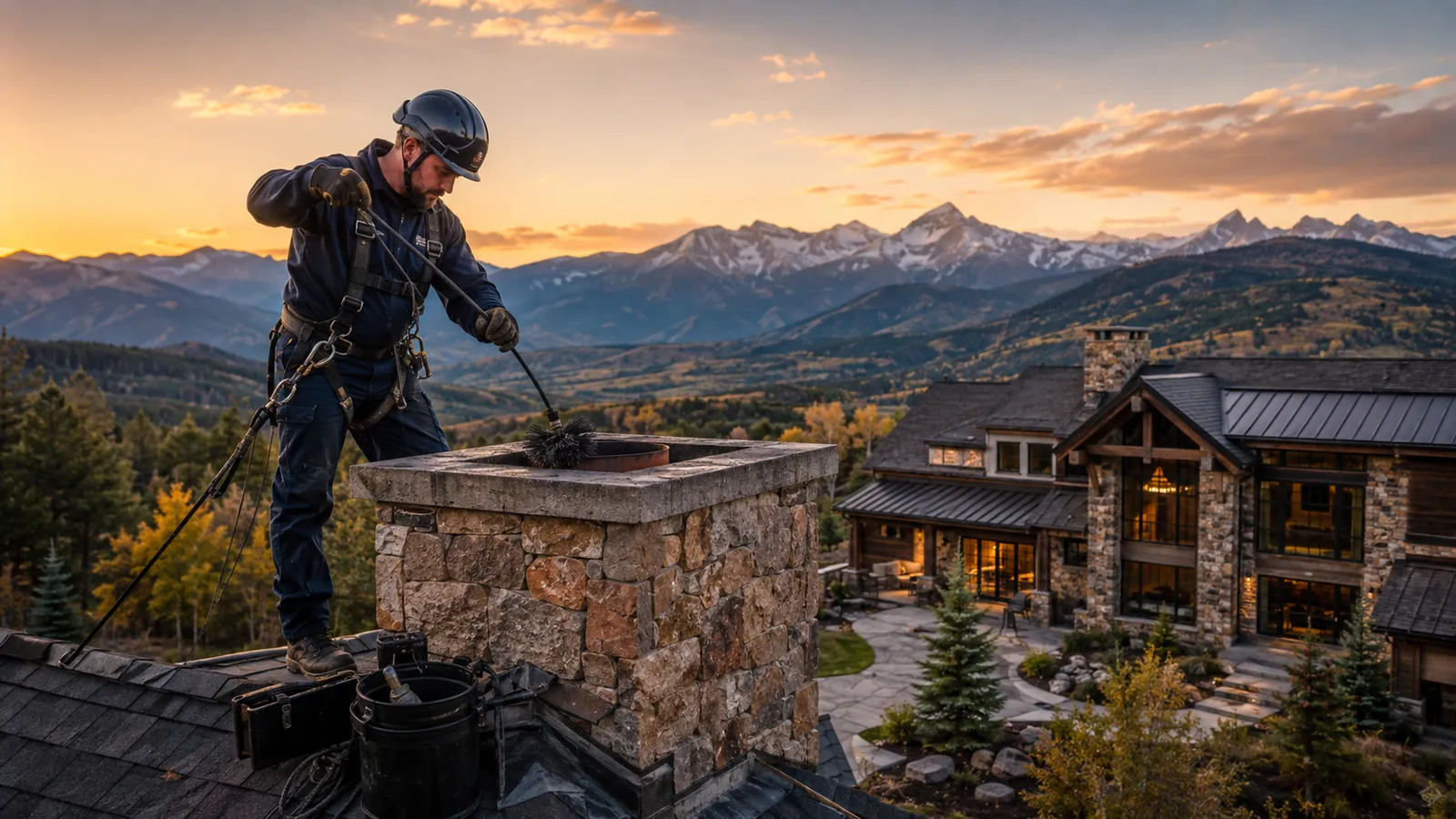
Saturn Chimney & Fireplace provides professional chimney cleaning and inspection services throughout Colorado's Front Range, with service in Denver, Colorado Springs, Fort Collins and surrounding areas.
Related Saturn services
Good to know
Frequently asked questions
Not necessarily. Annual inspection is the better baseline; cleaning is performed when deposits, obstruction or system conditions make it necessary.
CSIA recommends sweeping masonry fireplaces at about 1/8 inch of sooty buildup and sooner when glazed creosote is present.
Late summer or early fall is convenient, but scheduling before the seasonal rush usually gives more flexibility.
Gas systems do not create wood creosote, but their venting still needs inspection and maintenance according to the appliance and vent condition.