Costs & Timing
How Long Does a Chimney Liner Last?
Chimney liner life depends on material, fuel, moisture, heat events, installation and maintenance. Learn what Colorado homeowners should watch for.
Homeowners often want a simple number when they ask how long a chimney liner should last. Unfortunately, liner life is not like the expiration date on a water filter.
The material matters, but so do the fuel being burned, the appliance, moisture exposure, installation quality, chimney fires, cleaning practices, and whether the liner is properly sized for the system.
Clay liners can last a long time - until they are damaged
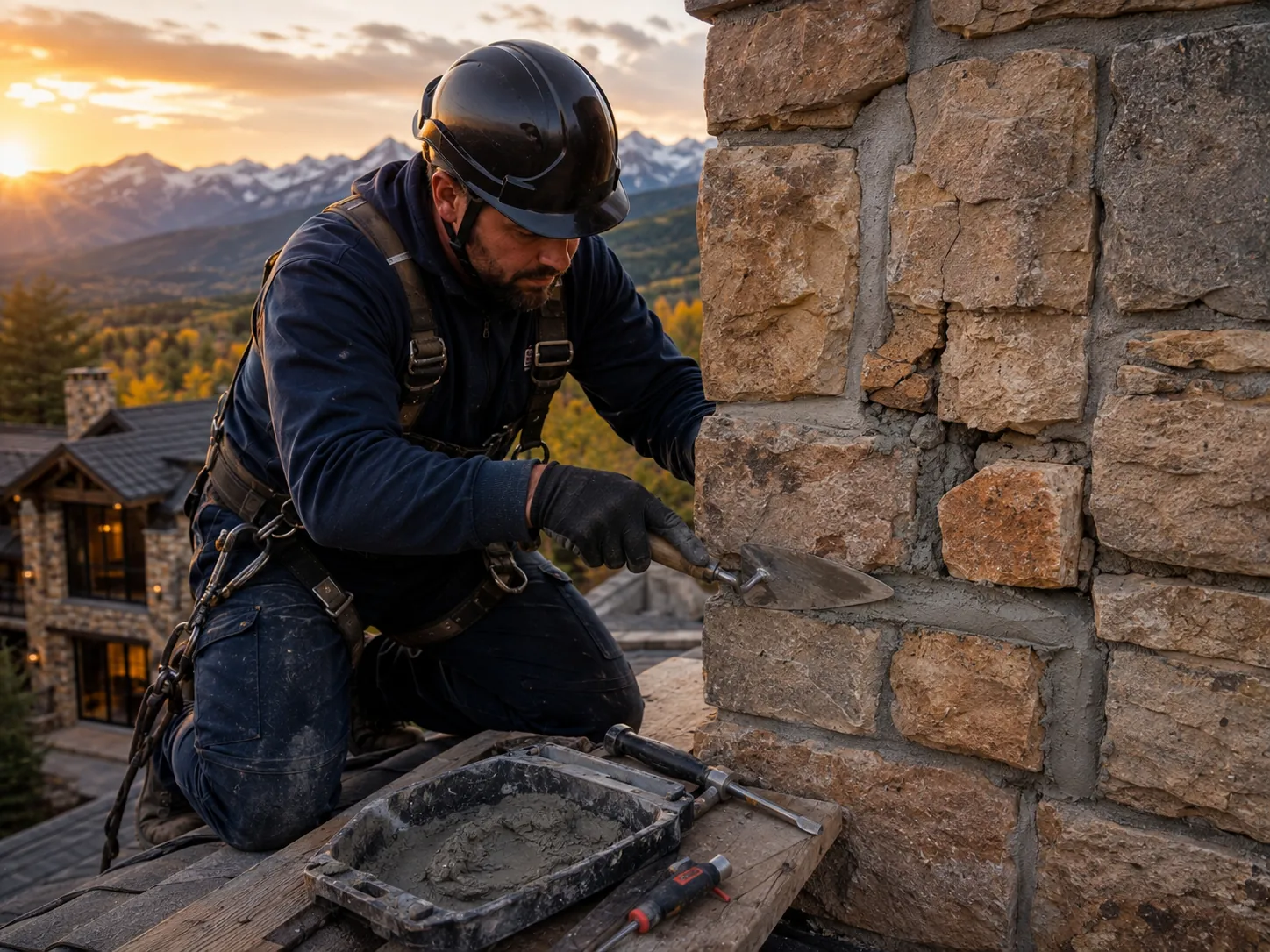
A clay tile liner does not usually “wear out” on a predictable calendar. Some remain serviceable for decades. Others develop cracks, joint deterioration, or movement much sooner.
Events matter. A severe chimney fire can expose clay to rapid, extreme temperature changes. Water intrusion can affect mortar joints and surrounding masonry. Settlement or structural movement can also create damage.
That is why inspection is more useful than guessing based on the age of the house.
Stainless liner life depends on the system
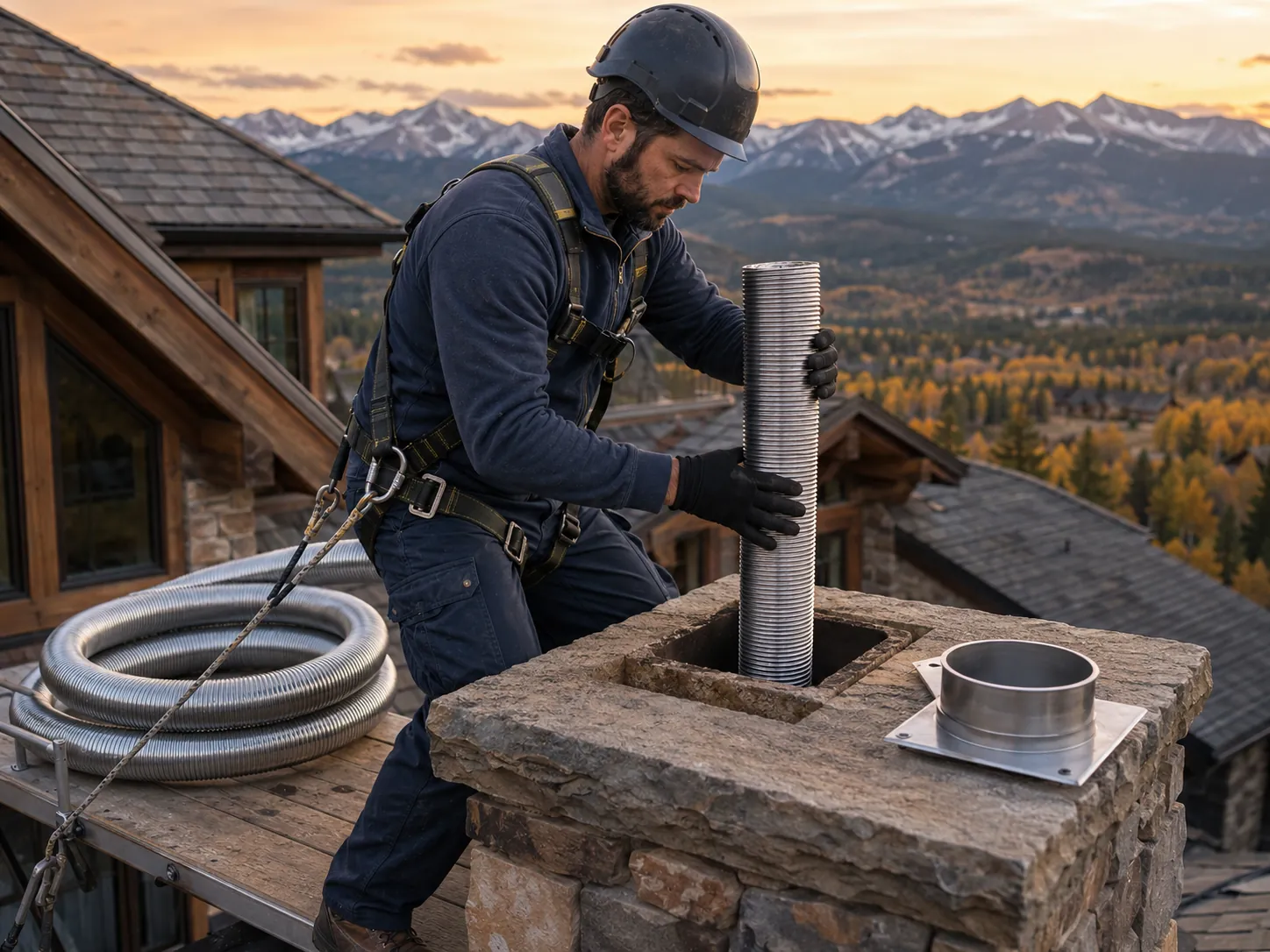
A properly selected and installed stainless steel liner can also provide long service, but not all stainless liners are identical.
Different alloys may be used for different fuels and exhaust conditions. A liner serving a wood-burning appliance operates in a different environment from one serving certain gas or oil appliances.
Corrosive condensates, repeated moisture exposure, improper cleaning tools, overheating, or poor installation can shorten service life.
Five factors that influence liner longevity
1. Moisture
A chimney that leaks can expose interior components to repeated wetting. Fixing caps, crowns, flashing, and chase covers can be as important to long-term liner health as the liner itself.
2. Burning habits
Wet wood, smoldering fires, and heavy creosote accumulation can create a harsher environment in wood-burning systems.
3. Chimney fires
Even a chimney that appears normal after a flue fire can have hidden damage. CSIA recommends that a chimney not be returned to use after a chimney fire until it has been evaluated.
4. Appliance compatibility
A liner that is not properly sized or selected for the appliance may be exposed to conditions it was not designed to handle.
5. Installation quality
Connections, terminations, supports, insulation, and clearances all affect how a liner system performs.
Does a liner warranty tell me how long it will last?
A manufacturer's warranty can provide useful information, but it is not a substitute for maintenance and inspection. Warranties may have conditions related to installation, fuel, cleaning, or documentation.
Read what is actually covered rather than assuming a “lifetime” label means every problem will be covered indefinitely.
How can you tell when a liner is nearing the end of service?
There may be no obvious symptom. That is why periodic inspection is important.
Possible findings include:
- - Cracked or missing clay tiles
- - Open joints
- - Significant corrosion
- - Distortion or separation
- - Evidence of overheating
- - Repeated venting problems
- - Damage after a known chimney fire
Colorado weather and liner life
The Colorado climate can be hard on the exterior parts that protect a liner.
Hail can damage caps and vent terminations. Freeze-thaw cycles can enlarge masonry cracks. Snowmelt and wind-driven moisture can find weaknesses in crowns or flashing. If water reaches the chimney interior, liner and connector components may be exposed to conditions they would not otherwise experience.
Good exterior maintenance helps protect the hidden venting system.
Should an old liner be replaced proactively?
Not simply because it is old.
A better approach is to evaluate condition, use, and compatibility. If the liner is sound and properly serving the system, age alone may not justify replacement. If defects are documented, the appropriate repair should be discussed.
Bottom line
There is no universal chimney liner lifespan. A liner can last for many years when correctly installed, matched to the appliance, protected from moisture, and maintained. The most reliable way to judge remaining service life is inspection, not the age of the house.
Related Saturn services
Good to know
Frequently asked questions
No fixed expiration date applies. Their condition depends on heat exposure, moisture, installation, movement, and maintenance.
Yes. Stainless systems can still develop corrosion, connection problems, or damage and should be included in chimney inspections.
Yes. Extreme heat can damage clay, metal, mortar joints, and other chimney components.
Keeping water out of the chimney can help protect the overall system, but waterproofing is only appropriate after actual water-entry defects such as flashing or crown problems are addressed.