
Repair & Masonry
Why Are Bricks Falling Off My Chimney?
Falling, flaking, or crumbling chimney bricks often point to moisture and masonry deterioration. Learn the causes and repair options for Colorado homes.
If pieces of brick are collecting on the roof, in the yard, or around the base of the chimney, the masonry is telling you something.
Brick does not normally shed large pieces without a reason. In Colorado, moisture combined with freezing temperatures is one of the most common patterns behind exterior chimney deterioration.
What is brick spalling?
Spalling is the flaking, chipping, or breaking away of the brick surface. A brick may lose a thin outer layer or deteriorate deeply enough that the face falls off in larger pieces.
Once the protective exterior surface is damaged, the brick can absorb even more water and continue deteriorating.
Why water causes so much damage
Masonry is porous. When water enters brick and then freezes, it expands. Repeated freeze-thaw cycles can place stress on the material.
This does not happen to every brick chimney at the same rate. Brick quality, mortar condition, exposure, crown design, cap condition, flashing, and previous coatings all influence how much water enters and how well the masonry dries.
Common sources of chimney moisture
A damaged crown
Cracks at the top can allow water to enter directly into the chimney structure.
Missing or damaged cap
A cap can help reduce direct precipitation entering the flue.
Failed flashing
Water can enter where the chimney passes through the roof.
Deteriorated mortar
Open joints allow more moisture into the wall assembly.
Improper coatings
Some non-breathable coatings can trap moisture instead of allowing masonry to dry properly.
Could the bricks simply be old?
Age contributes, but “old” is not a complete diagnosis.
An older chimney that has stayed dry and been maintained may remain in much better condition than a newer chimney with chronic water exposure.
When bricks are failing, the repair should address both the damaged masonry and the source of moisture.
Do damaged bricks need to be replaced?
It depends on how much material has been lost.
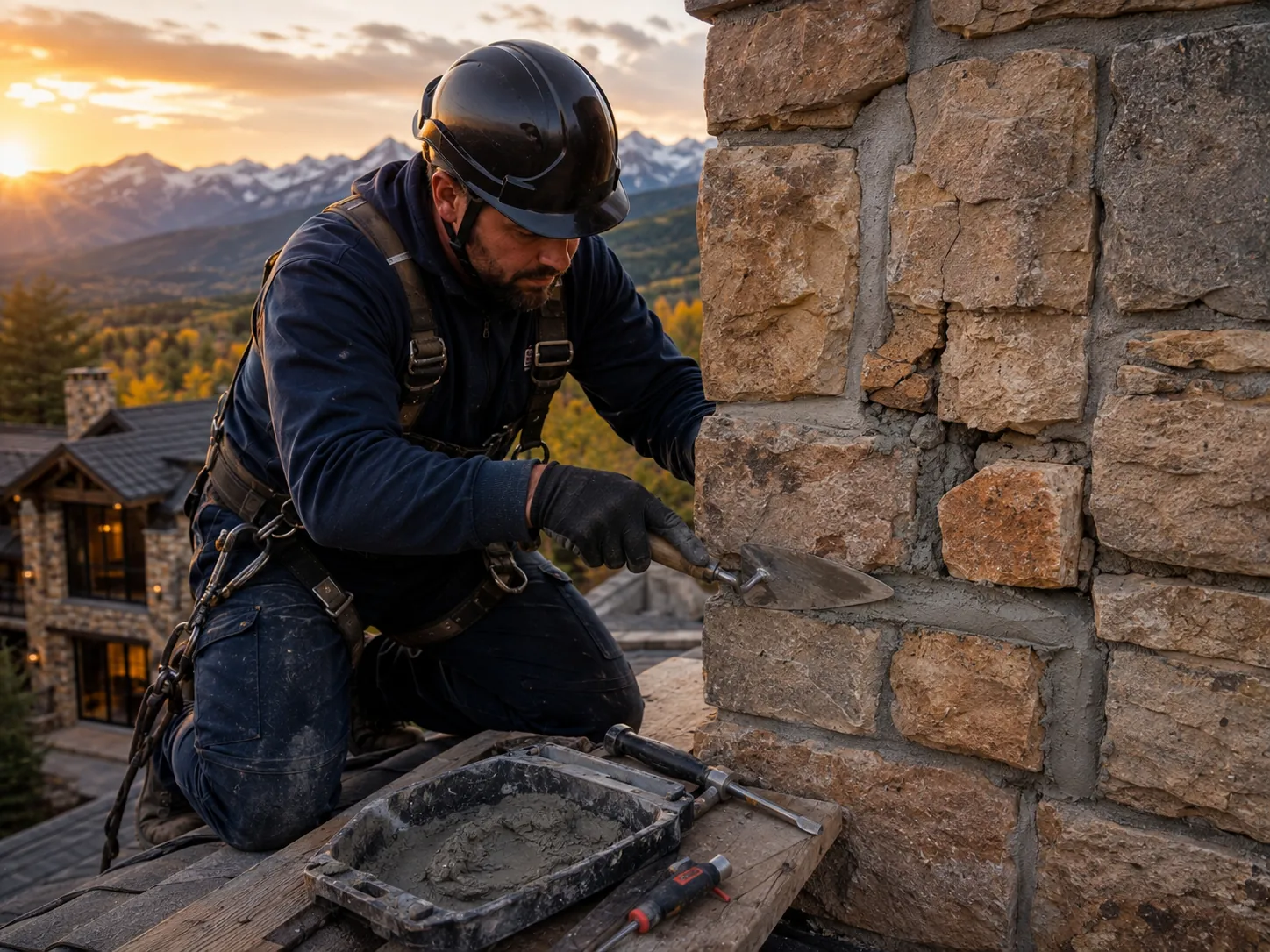
A brick with deep spalling or structural deterioration may need replacement. Mortar joints may need repointing. If damage is widespread, sections of the chimney may need rebuilding.
The correct scope depends on how much sound material remains.
Why painting over damaged brick can make things worse
Painting may improve appearance temporarily, but it does not repair deteriorated brick. Some coatings can also reduce the ability of masonry to release moisture.
If the goal is water protection, use a system intended for masonry and address cracks, crown defects, flashing, and failed joints first.
Warning signs that the problem is becoming more serious
- - Multiple bricks losing their faces
- - Loose bricks near the top of the chimney
- - Mortar joints eroding deeply
- - Chimney leaning or separating
- - Water staining indoors
- - Pieces of tile or masonry appearing in the firebox
- - Significant crown deterioration
Loose masonry above a roofline can also create a falling-debris hazard.
Colorado hail and wind can add stress
Hail may damage caps and other exposed metal components, while wind-driven precipitation can push moisture into vulnerable joints. Snow that accumulates around chimney intersections can also expose weak flashing or masonry.
After a major storm, it is worth looking beyond the shingles when checking roof-level components.
What a complete masonry repair should consider
A good evaluation looks at the entire chimney, not only the brick that has already fallen.
That includes:
- - Crown
- - Cap
- - Mortar joints
- - Flashing
- - Brick condition
- - Water-entry patterns
- - Flue condition when relevant
Repairing the visible brick without solving the moisture source may lead to repeat damage.
Bottom line
Falling chimney brick is usually a sign of material deterioration, often driven by moisture. In Colorado, freeze-thaw exposure can accelerate the problem. The best repair replaces unsound masonry as needed and corrects the water-entry conditions that allowed the damage to develop.
Related Saturn services
Good to know
Frequently asked questions
Light surface damage may sometimes be manageable, but deeply deteriorated bricks often need replacement.
Loose masonry can fall, and extensive deterioration can affect the stability of the chimney. Severe damage should be evaluated promptly.
Waterproofing can help reduce absorption in sound masonry, but it will not restore bricks that are already structurally deteriorated.
The upper chimney receives the most direct exposure to weather and is often where crown or cap problems first allow significant moisture entry.
