Inspections
Can You Install a Fireplace in an Existing Colorado Home?
Adding a fireplace to an existing home is possible, but fuel, venting, structure, clearances, utilities, and permits determine the best option.
You do not need to build a new house to add a fireplace. Many existing Colorado homes can accommodate a gas, wood, electric, or other fireplace solution.
The challenge is finding the system that fits the structure safely and practically.
Start with fuel type
Gas
Gas fireplaces can often be installed on an exterior wall with direct venting, depending on model and location. They may require gas piping and electrical power.
Wood
A wood-burning fireplace or stove requires a properly designed chimney system, clearances, hearth protection, and suitable termination above the roof.
Electric
Electric fireplaces usually have the simplest venting requirements because they do not produce combustion gases, but they still need an appropriate electrical circuit and installation.
Venting drives the layout
A fireplace location that looks perfect from the room may be difficult to vent.
Consider:
- - Exterior walls
- - Roof overhangs
- - Windows and doors
- - Upper floors
- - Attic space
- - Roof geometry
- - Nearby structures
- - Existing chimneys
The appliance installation manual sets specific termination and clearance requirements.
Structural and finish work
A new fireplace may involve:
- - Framing
- - Noncombustible materials
- - Hearth construction
- - Mantel clearances
- - Exterior chase
- - Masonry or stone veneer
- - Gas and electrical work
- - Roof penetration
That is why a fireplace installation can become a small remodeling project rather than a single-appliance swap.
Colorado permits
Local authorities regulate fireplace and fuel-gas installations.
Denver includes certain fireplace work in its mechanical permit process. Fort Collins lists fireplaces and gas/wood-burning appliances among permit categories. Pikes Peak Regional Building Department states that fireplace or stove installations, including gas or solid fuel, require permits in its jurisdiction.
Always verify current requirements for the property address.
High elevation and appliance setup
Some gas and solid-fuel appliances have altitude-specific installation, derating, or adjustment requirements.
A model approved for sea level may need different setup at Denver, Colorado Springs, Fort Collins, or higher mountain elevations.
Follow manufacturer instructions rather than making generic altitude assumptions.
Can you use an old unused chimney?
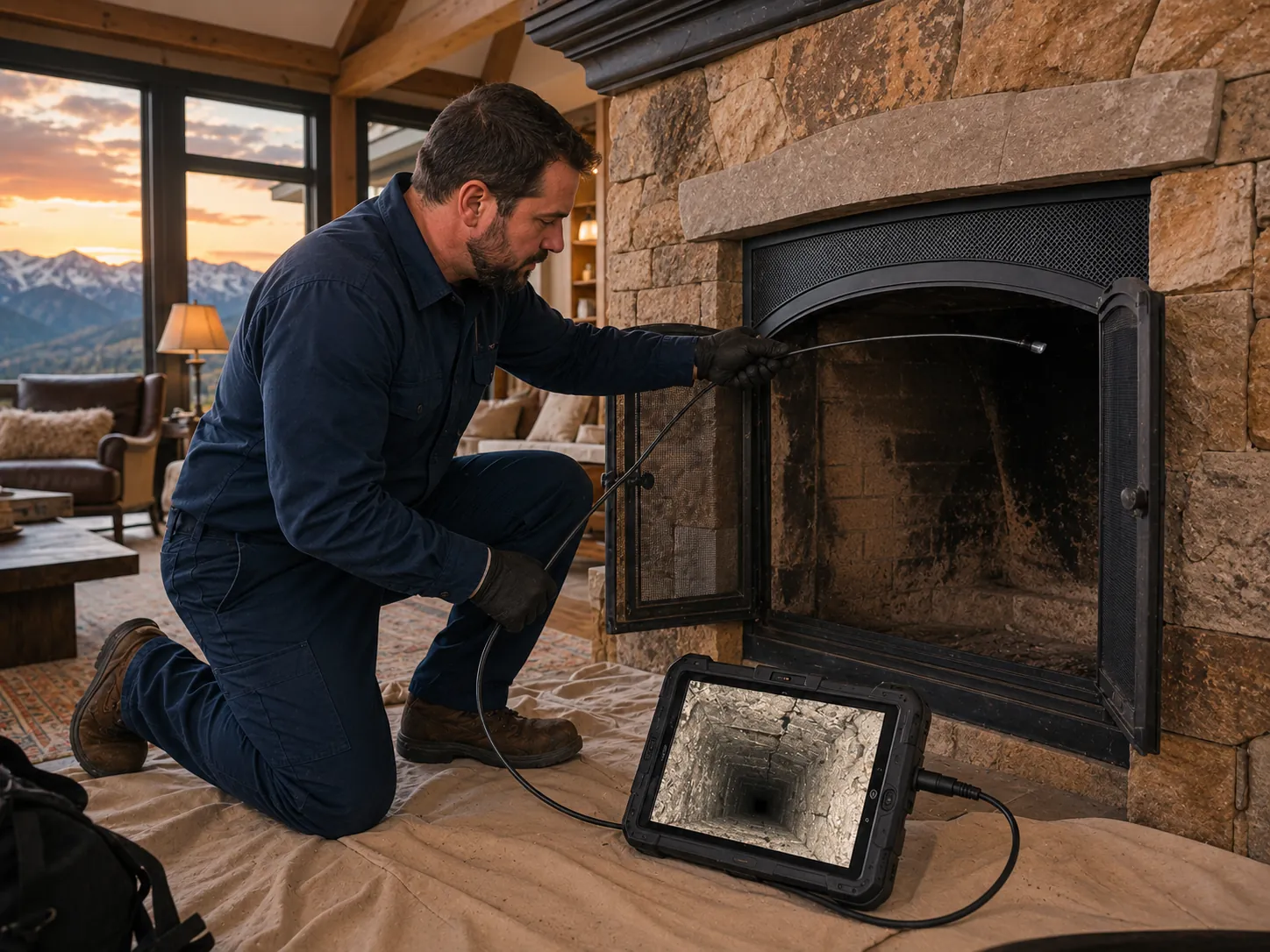
Possibly, but it should be inspected first.
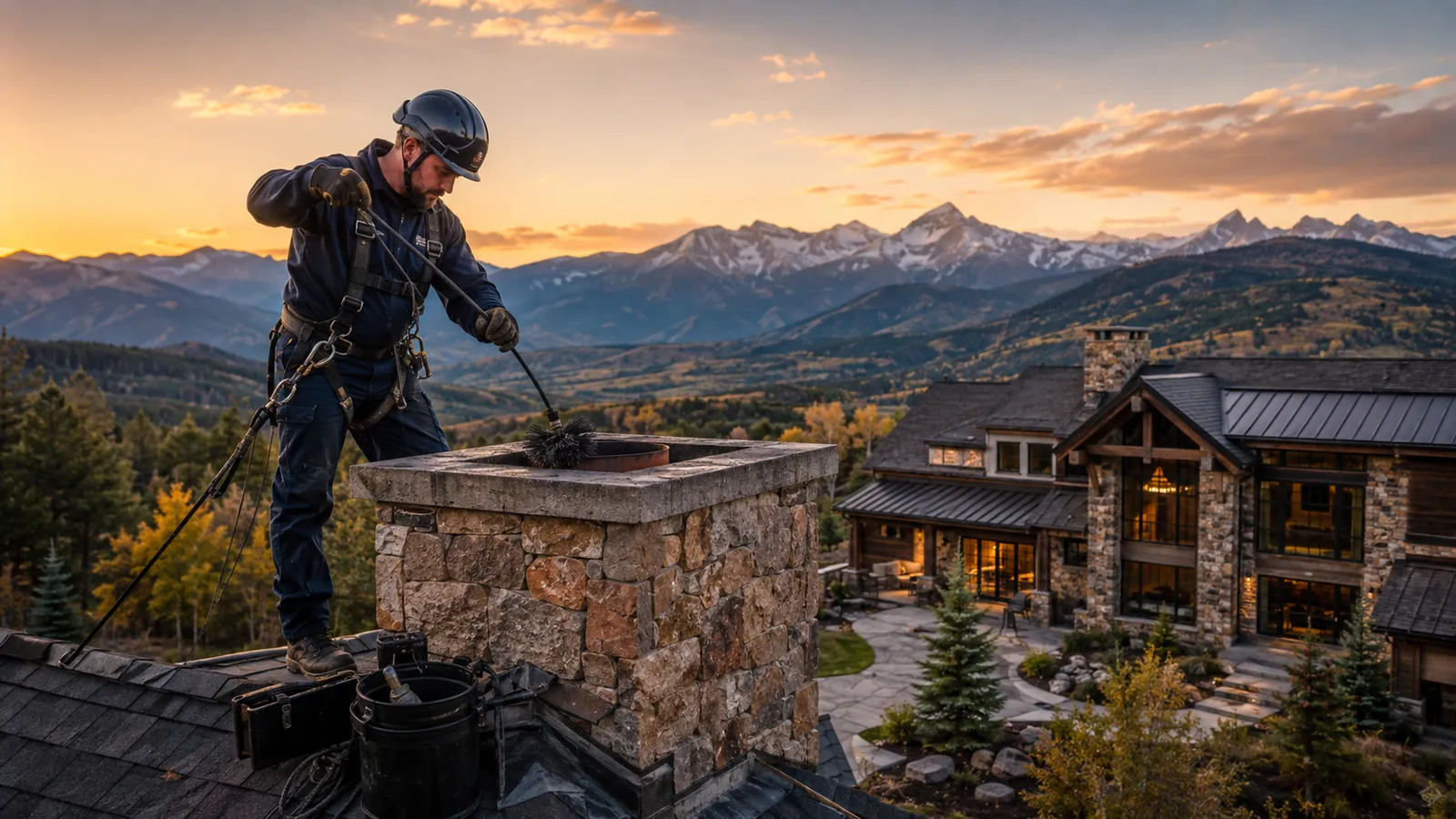
An existing masonry chimney may need relining, resizing, repair, or may not be suitable for the new appliance at all.
Bottom line
A fireplace can often be added to an existing Colorado home, but the best design starts with the appliance and venting requirements rather than the appearance alone. Plan fuel, structure, clearances, utilities, and permits as one project.
Related Saturn services
Good to know
Frequently asked questions
Many direct-vent models can, when installed according to their listed instructions and required clearances.
Listed factory-built chimney systems can be used for many wood-stove installations, subject to manufacturer and code requirements.
Licensing and permit rules vary by trade and jurisdiction. Gas, electrical, structural, and roofing work may involve licensed professionals.
It generally avoids combustion venting, but electrical capacity, clearances, and manufacturer instructions still matter.